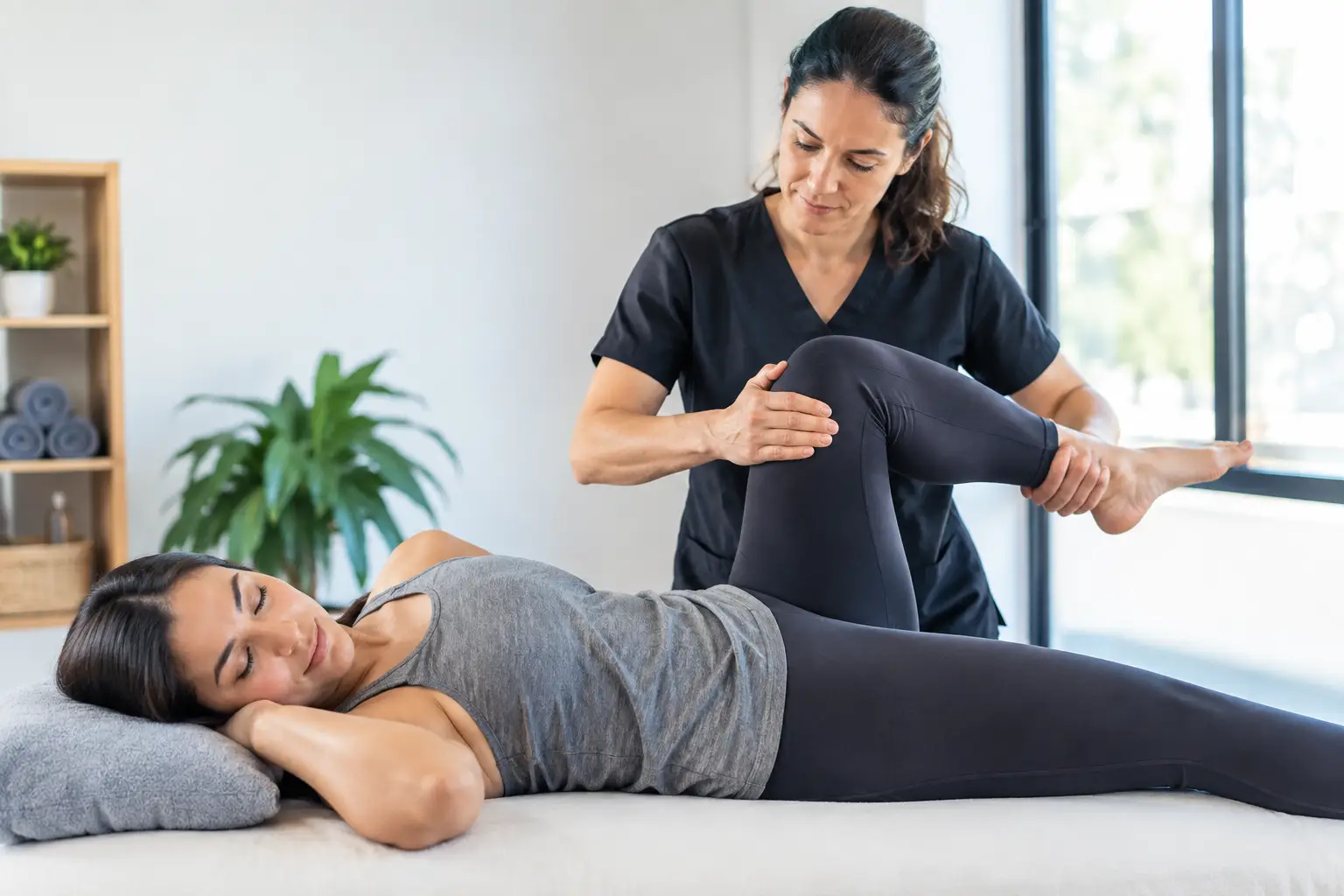
A shoulder that catches while reaching for a coat, hips that feel restricted after a workday, or ankles that will not quite bend during a squat can make ordinary movement feel surprisingly complicated. So, does massage improve mobility? It can, particularly when stiffness, pain sensitivity, protective muscle tension, or recovery demands are part of the picture. But it is not a shortcut that permanently “releases” every restriction. The most useful massage therapy is assessment-led, responsive to your tolerance, and paired with the movements your body needs to practice.
What mobility actually means
Mobility is the ability to actively control movement through a usable range of motion. It is more than passive flexibility. You may be able to pull your knee toward your chest with your hands, for example, but still struggle to control a deep squat, step down from a curb, or rotate comfortably while driving.
A joint’s available motion is influenced by many factors: joint structure, previous injury, muscle strength, coordination, training load, inflammation, pain, sleep, stress, and the nervous system’s sense of safety. This is why two people with similar-looking posture or “tight” hamstrings can need very different care.
Massage can influence several of these factors, especially pain, perceived stiffness, and muscle guarding. That change may create a useful window for movement. What happens next matters: using that window to practice a comfortable, relevant movement helps turn short-term relief into more dependable function.
Does massage improve mobility in the long term?
Massage may improve mobility in the short term, and it can contribute to longer-term progress when it is part of a broader plan. Research on manual therapy generally supports temporary improvements in range of motion and pain for many musculoskeletal concerns. The exact size and duration of the effect vary widely by body region, condition, treatment approach, and person.
The explanation is not usually that a therapist has physically broken up adhesions or lengthened tissue in a single appointment. Bodies are more adaptable and more complex than that story suggests. A well-paced treatment can change how sensitive an area feels, reduce protective bracing, and make movement feel less threatening or effortful. Those changes can be clinically meaningful, even when they are not dramatic or permanent after one session.
For an active person, that might mean a hip feels more comfortable before a return-to-run progression. For someone at a desk all day, it may mean they can turn their neck more easily and take regular movement breaks without triggering a headache. For a person recovering from an injury, it may mean they can begin the exercises that were previously too uncomfortable.
The trade-off is that massage alone may not solve mobility limits driven primarily by joint changes, significant weakness, instability, neurological conditions, or an untreated injury. It is a supportive tool, not a universal correction.
How massage may help movement feel easier
Reducing pain and protective tension
Pain can change movement before you consciously notice it. The body may stiffen around a sore shoulder, hold the jaw tightly during stress, or limit hip rotation after a flare-up. This guarding is not a failure of willpower. It is a protective response.
Massage therapy can offer calming sensory input while addressing tender or overworked tissues. Techniques such as myofascial release, trigger point therapy, and Swedish-style massage may help reduce discomfort and the feeling of tension. When treatment is delivered with clear consent and pressure is adjusted to your response, the nervous system may be more willing to allow motion.
That does not mean treatment needs to be painful to work. Aggressive pressure can increase guarding, leave you sore, or be inappropriate for an irritated area. A clinical massage should respect tissue tolerance rather than trying to overpower it.
Supporting body awareness and motor control
Mobility also depends on knowing where and how you are moving. After an injury, during a stressful period, or with chronic pain, people often lose confidence in an area of the body. They may avoid turning the head, loading one leg, or moving the arm overhead even when gradual motion would be safe.
A therapist can use hands-on assessment and guided movement to help you notice differences in tension, range, breathing, and effort. This feedback can make movement feel more predictable. The goal is not simply to move farther. It is to move with more comfort, control, and confidence.
Helping recovery after training or repetitive work
Hard training, long commutes, repetitive lifting, and extended screen time can all leave muscles feeling heavy or restricted. Massage may reduce the sensation of post-exercise soreness and help you transition back into comfortable activity. It can be particularly helpful when training load has outpaced recovery.
Still, recovery has more than one ingredient. Adequate sleep, nutrition, sensible programming, strength work, and rest days matter. If you repeatedly need intense treatment just to get through the same activity, it may be time to look at workload, technique, or a recurring injury pattern.
A personalized approach makes the difference
At Reset Registered Massage Therapy, mobility-focused care begins with more than locating the tightest spot. An orthopaedic-informed assessment considers the movements that matter to you, the history of the concern, irritability, day-to-day demands, and what feels safe in your body.
For example, persistent shoulder restriction may involve the neck, upper back, breathing mechanics, desk setup, training volume, or a previous injury. Hip tightness may be related to a recent increase in running, prolonged sitting, or a strategy your body uses to protect an irritated low back. Treatment might blend focused deep tissue work with gentler techniques, depending on your goals and tolerance.
A trauma-informed approach is especially relevant here. Some clients feel anxious about pressure, positioning, or hands-on work around certain areas. Clear communication, ongoing consent, draping, and the option to change course are not extras. They are part of effective treatment. A safe, non-judgmental, inclusive environment allows the therapist to work with your nervous system rather than against it.
What to do after a mobility-focused massage
The best follow-up is usually simple. Notice what movement feels easier after the session, then use a small amount of that movement while the change is available. If your neck turns more comfortably, take a few slow rotations during the day. If your ankle bends more easily, practice controlled calf raises or a comfortable squat pattern if those movements are appropriate for you.
Avoid treating post-massage relief as a reason to immediately test your maximum range or return to a demanding workout after a flare-up. The area may feel better before its capacity has fully changed. Gradual loading is more likely to create lasting progress than a boom-and-bust cycle.
Your therapist may also suggest adjusting your workstation, changing how you warm up, breaking up long periods of sitting, or coordinating care with a physiotherapist, physician, or other provider. Those recommendations should be specific to your goals, not a generic list of stretches handed to everyone.
When massage is not the first step
New severe pain, marked swelling, numbness or weakness, a suspected fracture, fever, unexplained weight loss, loss of bladder or bowel control, or pain after significant trauma requires medical assessment rather than routine massage. Massage may also need to be modified or deferred with an active infection, blood clot concerns, acute inflammatory conditions, certain skin conditions, or other health factors.
If a mobility loss is progressive, unexplained, or does not improve with appropriate conservative care, a qualified health professional can help determine what is driving it. Good massage therapy includes knowing when hands-on care is helpful and when referral is the safer choice.
Mobility is not a pass-or-fail measure of how well your body is functioning. It is a skill and a capacity that can change with pain, stress, training, and life. When massage is tailored to your needs and followed by thoughtful movement, it can make that capacity feel more available – one comfortable, useful motion at a time.