Jaw tension rarely stays in the jaw. It can show up as morning headaches, a tired ache around the temples, clicking when you chew, neck tightness, or the feeling that your face is working overtime. This guide to intraoral massage therapy explains a focused, hands-on option for people with TMJ-related muscle tension and facial discomfort, including what happens in a session, when it may be appropriate, and why consent matters at every stage.
Intraoral work can sound unfamiliar because part of the treatment happens inside the mouth. It is not casual or routine massage. It is a precise manual therapy technique that requires clear communication, appropriate training, and a thoughtful assessment of your symptoms, health history, and tolerance.
What is intraoral massage therapy?
Intraoral massage therapy is manual treatment of muscles inside the mouth that contribute to jaw movement and tension. The most commonly addressed area is the pterygoid muscle group, which sits deep along the jaw and can be difficult to access from the outside. Depending on the practitioner’s assessment and local scope of practice, treatment may also include the inner cheek and surrounding soft tissue.
These muscles help guide opening, closing, side-to-side movement, chewing, and clenching. When they become overactive or sensitive, the jaw may feel restricted, sore, fatigued, or unstable. External work around the temples, jawline, scalp, neck, and upper shoulders can be helpful, but it does not always reach every contributor to the pattern. Intraoral techniques can offer another route when they are clinically indicated and welcomed by the client.
The goal is not to force the jaw to release or push through pain. A well-paced session aims to reduce protective muscle guarding, improve comfortable movement, and give the nervous system a safer experience of an area that may have been persistently tense.
Who may benefit from intraoral treatment?
Intraoral massage is often considered for people experiencing jaw clenching, grinding-related muscle soreness, tension headaches, facial tightness, or pain with chewing. It may also be useful when jaw symptoms occur alongside neck tension, desk-related postural strain, or a high-stress period that has increased clenching habits.
That does not mean every jaw click, headache, or facial pain pattern needs intraoral work. Jaw pain can have several contributors, including joint irritation, dental issues, sinus concerns, nerve-related pain, arthritis, or a recent injury. Massage therapy can support muscular and stress-related components, but it should not be used to diagnose conditions outside a massage therapist’s scope.
A careful assessment helps distinguish whether intraoral treatment is likely to be useful, whether external techniques are the better starting point, or whether referral to a dentist, physician, physiotherapist, or other provider is appropriate. New jaw locking, significant swelling, fever, numbness, severe tooth pain, unexplained facial weakness, or pain after trauma deserve prompt medical or dental evaluation.
What happens during an intraoral massage appointment?
A skilled appointment begins before any hands-on treatment. Your practitioner should ask about your primary symptoms, jaw function, history of clicking or locking, headaches, dental procedures, stress load, sleep, and habits such as gum chewing or nail biting. They may observe how comfortably you open and close your mouth and assess related areas such as the temples, neck, upper back, and shoulders.
Because the jaw is closely tied to the nervous system, this assessment is not only about finding a tight muscle. It is also about understanding irritability. A jaw that is highly reactive may respond better to gentler external work, breathing cues, or work farther from the jaw before any intraoral technique is considered.
If intraoral treatment is appropriate, your practitioner will explain what area they plan to contact, why they are suggesting it, and what sensations you may feel. You should have the opportunity to ask questions, decline the technique, or choose to try it briefly and reassess. At Reset Registered Massage Therapy, treatment decisions are collaborative, with each technique selected for the client in front of us rather than added to a preset routine.
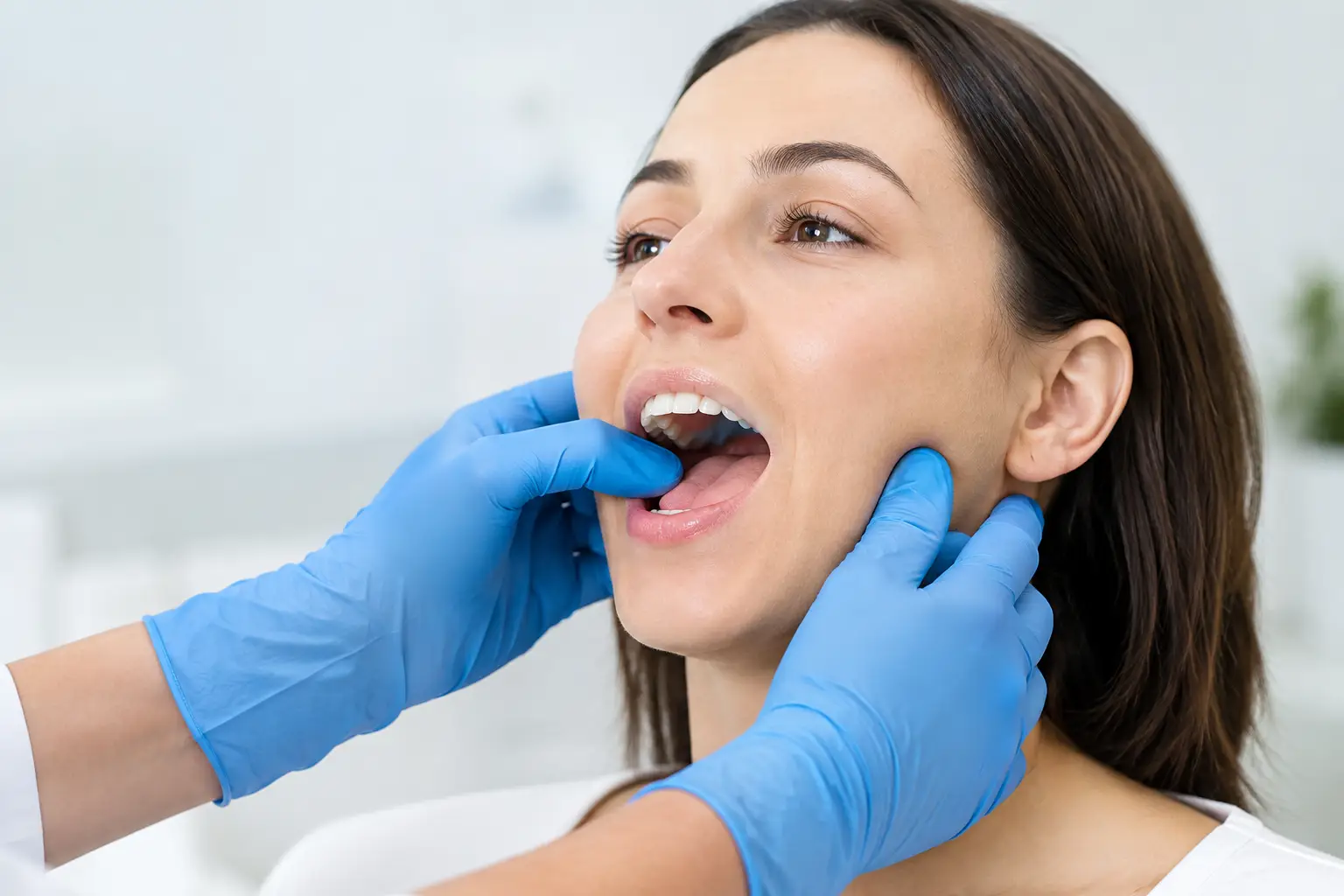
For the intraoral portion, the practitioner uses clean gloves. You may be positioned comfortably on the treatment table, usually with your head supported. The therapist will ask you to open your mouth to a comfortable range and use a gloved finger to contact specific soft tissue inside the cheek or along the jaw. External support from the other hand may be used to stabilize the area.
Pressure is typically slow, specific, and lighter than many people expect. You may notice tenderness, a familiar referral sensation into the jaw or temple, or an urge to relax the muscles. Sharp pain, pinching, panic, nausea, or a sense that you need to endure the work are not signs of effective treatment. Tell your therapist right away. Treatment can be modified, paused, or stopped without explanation.
Consent is part of the clinical standard
Intraoral work requires explicit, ongoing consent. A general consent form at the start of an appointment is not enough for a technique that involves contact inside the mouth. Your practitioner should discuss the treatment beforehand and check in again immediately before beginning.
You remain in control throughout the session. Establishing a nonverbal stop signal can be useful, since speaking may be awkward while the therapist’s hand is in your mouth. A raised hand, a tap on the table, or simply moving away can mean stop. Your practitioner should respond promptly and without pressure to continue.
This approach is particularly important for anyone with dental anxiety, a trauma history, sensory sensitivities, or discomfort with close facial contact. Trauma-informed care does not assume what will feel safe for you. It creates choices, explains the process, respects boundaries, and treats a change of mind as clinically useful information.
What should intraoral massage feel like afterward?
Many clients notice a sense of ease in the jaw, less pressure around the temples, or a smoother opening and closing pattern after treatment. Others feel temporarily tender, especially if the muscles were very sensitive before the session. Mild soreness should settle within a day or two and should not steadily worsen.
The response depends on several factors: how long symptoms have been present, how irritable the tissues are, whether you are currently clenching, your sleep quality, and the role of stress in the pain-tension cycle. One session may offer meaningful relief, but longstanding symptoms often respond best to a plan that combines treatment with practical changes between appointments.
Aftercare is usually simple. Drink water as you normally would, choose softer foods if your jaw feels fatigued, and avoid testing your range repeatedly or aggressively stretching the area. Notice when you clench during driving, concentrated computer work, or exercise. A relaxed-jaw cue can help: lips together, teeth apart, tongue resting gently against the roof of the mouth. If your dentist has recommended a night guard or other dental care, massage can complement that plan rather than replace it.
When intraoral massage is not the right choice
There are times to postpone or avoid intraoral treatment. Active mouth infections, open sores, recent oral surgery, uncontrolled bleeding concerns, certain immune-compromising conditions, and acute dental pain may make the technique inappropriate. A practitioner should also adapt or defer treatment when there is a recent fracture, severe joint instability, or symptoms that require medical assessment first.
Comfort matters just as much as clinical indication. If you do not want intraoral work, you can still receive effective treatment for jaw-associated tension through external myofascial release, trigger point therapy, craniosacral approaches, neck and shoulder work, and strategies that support nervous-system downregulation. The best technique is the one that is both appropriate for your presentation and safe enough for your body to respond to.
Jaw symptoms can feel small until they begin shaping how you eat, sleep, speak, train, and concentrate. A thoughtful assessment gives you a place to start: not with pressure for pressure’s sake, but with a treatment plan that respects your comfort, your function, and your right to move through care at your own pace.