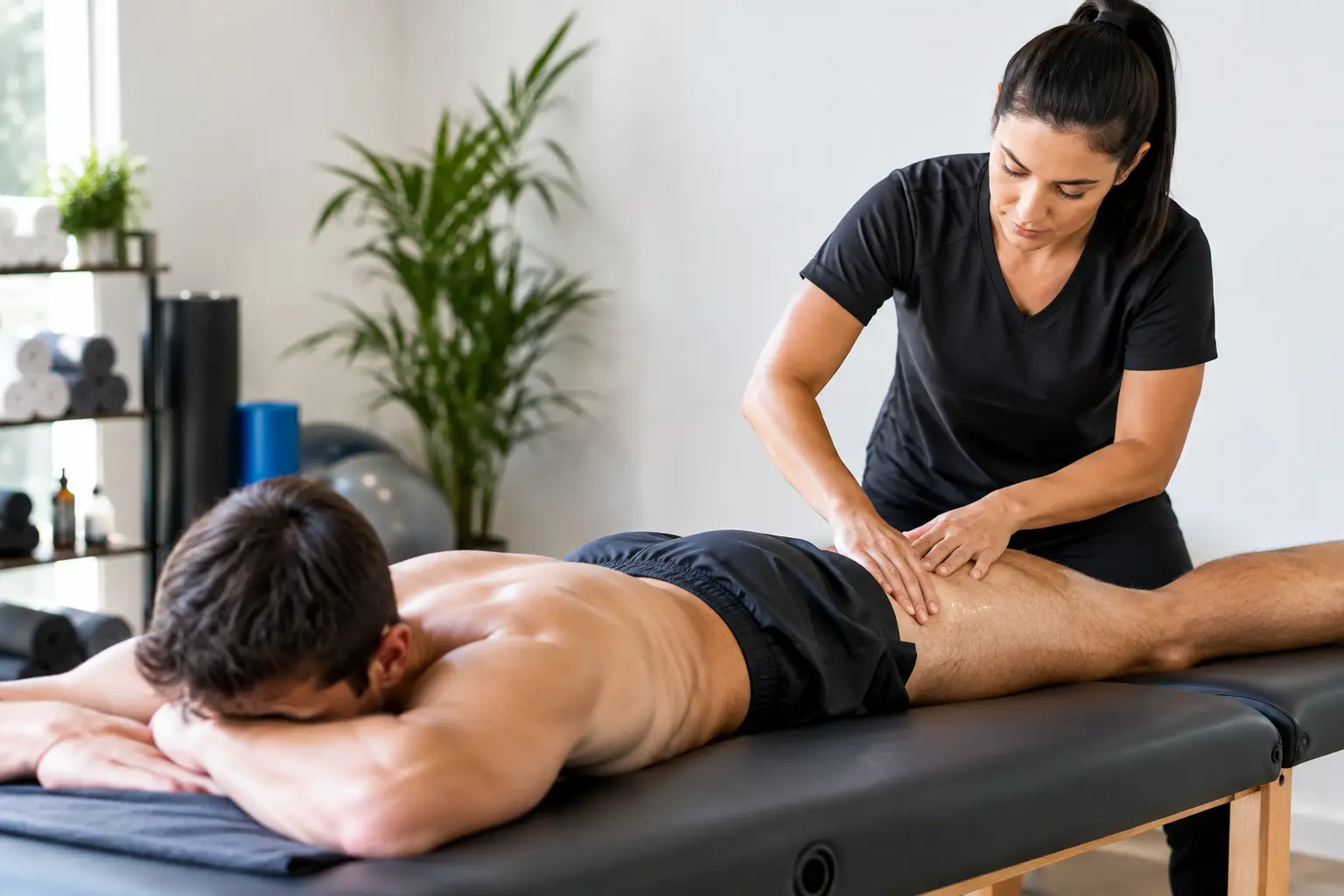
A hard workout can leave you feeling satisfyingly tired. It should not leave you guessing whether your shoulder will tolerate your next swim, your hip will cooperate on the stairs, or your calf tightness is becoming something more. Sports massage is not simply a firmer massage for people who exercise. At its best, it is targeted, assessment-led care that considers training load, movement habits, symptoms, recovery capacity, and what your body can comfortably tolerate that day.
For active people in downtown Vancouver, the goal is rarely just to feel loose for an hour. It is to move with less restriction, understand what may be contributing to a recurring issue, and leave with a realistic plan for the next run, lift, ride, match, or workday. That requires clinical judgment as much as hands-on skill.
What sports massage is designed to address
Sports massage is a flexible approach to massage therapy for people whose bodies are managing physical demand. That may mean marathon training, recreational climbing, a demanding strength program, a return to sport after time away, or long workdays layered on top of exercise. It can also be appropriate for someone who does not identify as an athlete but feels the effects of repetitive movement, commuting, desk posture, or persistent muscle tension.
A session may focus on common performance-limiting patterns such as calf and foot tightness, runner’s hip discomfort, stiff thoracic mobility, shoulder and neck tension, forearm overload, or jaw clenching that is affecting sleep and recovery. The work is guided by what you are experiencing, not by a preset full-body routine.
Massage cannot replace a medical evaluation for a suspected fracture, significant tear, concussion, infection, or other acute condition. It also does not erase the need for sensible load management, sleep, nutrition, and strength or rehabilitation work where indicated. Its value is as one part of a thoughtful recovery and movement-care plan.
Sports massage starts with assessment, not pressure
More pressure is not automatically more effective. Deep work can be useful when it is precise, well tolerated, and matched to the tissue and goal at hand. When pressure becomes overwhelming, the body may brace, breathing can become shallow, and the session can feel more like something to endure than treatment designed to help.
A clinician-led session begins by listening. When did the symptoms start? Which movements aggravate them? What has changed in your training, work, stress, sleep, or equipment? From there, an orthopaedic-informed assessment may include observing comfortable movement, checking relevant range of motion, and palpating tissues to identify areas that are sensitive, guarded, or overloaded.
That information shapes the treatment. A sore shoulder after increased swimming volume may need a different approach than a shoulder that has been painful for months at a desk. Similarly, post-race calf soreness is different from sudden one-sided calf swelling or pain, which needs medical attention rather than massage.
What a session may feel like
Sports massage can include focused deep tissue techniques, myofascial release, trigger point therapy, active movement, and gentler Swedish-style massage. The combination depends on your presentation. Some areas may benefit from slower, sustained contact; others respond better to lighter work that helps reduce protective tension without provoking symptoms.
At Reset Registered Massage Therapy, treatment is intentionally adapted throughout the appointment. Your feedback matters. Pressure, positioning, areas of focus, and the pace of the session can all change based on what feels safe, useful, and manageable in your body.
This is especially relevant when pain has been present for a long time or when stress is amplifying symptoms. The nervous system influences muscle tone, pain sensitivity, breathing, and recovery. A trauma-informed approach recognizes that effective treatment does not require pushing through discomfort or giving up control. Consent is ongoing, boundaries are respected, and you can ask to pause, adjust, or skip any technique.
Before an event, after an event, or between training blocks?
Timing matters, but there is no single rule. Before an event, lighter and more energizing work may help you feel comfortable moving without leaving the area sore. This is not the time for aggressive tissue work that could create tenderness or alter how you perceive your body on race day.
After a demanding event or workout, massage may support relaxation and help you feel less stiff, particularly when paired with fluids, food, sleep, and easy movement. If tissues are acutely irritated, bruised, swollen, or highly sensitive, gentler care or a period of rest may be the better choice.
Between training blocks, a more detailed session can be useful for addressing recurring restrictions and checking in on patterns before they become more disruptive. Frequency depends on your goals, symptoms, schedule, budget, and how your body responds. Weekly care is appropriate for some people during a high-load period, while others benefit from occasional treatment alongside an independent mobility or strengthening plan.
When soreness may be more than normal training fatigue
Delayed-onset muscle soreness is common after unfamiliar or intense activity. It is usually diffuse, improves over several days, and does not sharply worsen with a specific movement. More caution is warranted when pain is sudden, severe, localized, associated with a pop, accompanied by swelling or bruising, or changes how you bear weight or use a limb.
Seek prompt medical assessment for symptoms such as chest pain, shortness of breath, unexplained dizziness, fever, numbness or progressive weakness, or a hot, swollen calf. Massage therapists screen for concerns like these because safety comes before hands-on treatment.
The recovery piece many active people miss
Training stress is not limited to training. A challenging workout plus poor sleep, deadline pressure, long periods of sitting, and inadequate recovery can leave the body feeling persistently switched on. Muscles may feel tight not only because of mechanical load, but because the nervous system is staying protective.
That is why a sports-focused massage does not need to be relentlessly intense to be valuable. Sometimes the most useful work combines targeted treatment for a stubborn hip or shoulder with time to downregulate, breathe, and leave the table feeling settled rather than depleted. This can help interrupt the pain-tension-stress cycle that keeps discomfort repeating.
How to get more from your appointment
Arrive ready to describe your usual activity, recent changes in volume or intensity, and the movements that feel limited. It is helpful to mention old injuries, current rehabilitation, medications, and any areas you prefer not to have treated. Wear or bring clothing that allows access to the area being assessed, and avoid treating the session as a test of how much pressure you can handle.
Afterward, notice how you feel over the next 24 to 48 hours. Mild tenderness can occur after focused manual therapy, especially when an area has been sensitive or under significant load. A simple walk, regular meals, hydration, and a lighter training day may be enough. If pain noticeably escalates or a new symptom appears, contact your provider or seek medical guidance.
The right sports massage should leave you with more than temporary relief. It should give you a clearer sense of what your body needs, what can be adjusted, and how to keep participating in the activities that make you feel like yourself.