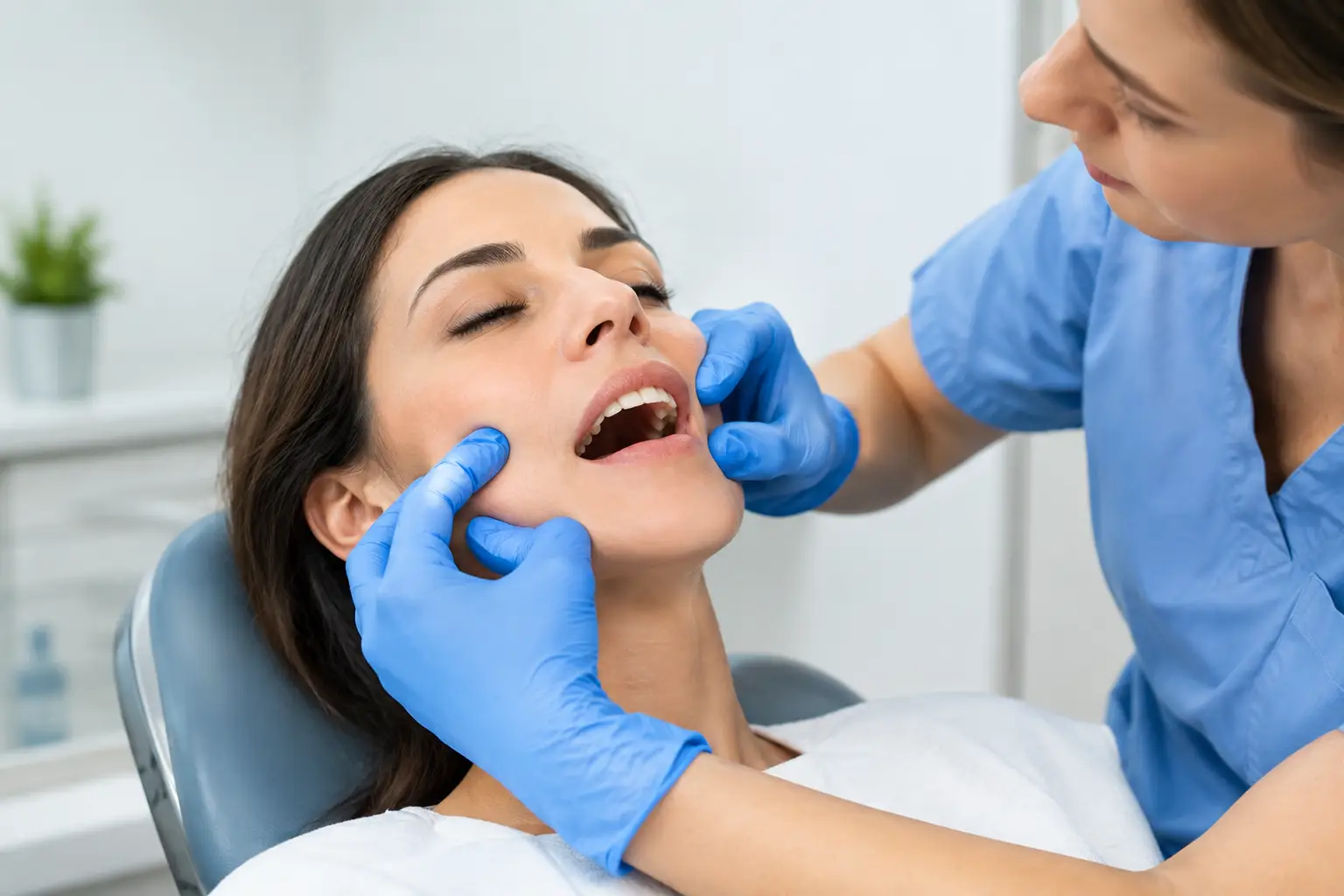
Jaw treatment can feel surprisingly personal. Intraoral massage involves a practitioner working inside the mouth, usually with a gloved finger, to assess and treat muscles that influence jaw movement, clenching, chewing, and facial tension. A guide to intraoral massage safety should therefore begin with more than technique: it starts with informed consent, clear communication, appropriate screening, and the client’s ability to pause treatment at any point.
For people dealing with TMJ-related discomfort, tension headaches, facial pain, or persistent jaw tightness, intraoral work can be a useful part of a broader treatment plan. It is not automatically necessary, and it is not the right choice for every person or every appointment. High-quality care is collaborative, paced to your tolerance, and grounded in an assessment of what may actually be contributing to your symptoms.
What Intraoral Massage Is Designed to Address
The muscles involved in chewing and jaw control sit both outside and inside the mouth. Some, including portions of the medial and lateral pterygoids, can be difficult to assess externally. When clinically appropriate, gentle intraoral contact may help a trained practitioner evaluate sensitivity, muscle guarding, movement tolerance, and how the jaw responds to low-load manual therapy.
This approach is commonly considered for jaw clenching, limited opening, pain with chewing, facial muscle tension, certain headache patterns, and jaw discomfort that may be connected to stress or sustained postures. It may also be paired with external work to the jaw, temples, neck, and upper shoulders, since jaw symptoms rarely exist in isolation.
That said, intraoral massage is not a cure for every clicking, pop, or painful jaw. A sound from the jaw without pain or locking may not need treatment at all. On the other hand, severe pain, a major change in bite, or repeated jaw locking calls for a more specific medical or dental evaluation than massage can provide.
Safety Begins Before Any Intraoral Treatment
A responsible appointment includes screening before a glove is ever put on. Your practitioner should ask about the nature of your symptoms, recent dental care, trauma, infections, medication changes, headache symptoms, and your goals for treatment. They should also assess jaw opening, movement quality, and tenderness as appropriate, without assuming that the most tender area is necessarily the whole problem.
Intraoral treatment may need to be postponed or avoided when there is an active oral infection, cold sore, open wound, recent oral surgery, uncontrolled bleeding, significant gum irritation, or a dental issue that has not been assessed. Recent extractions, implants, root canals, and other procedures have different healing timelines, so clearance from the dental provider may be appropriate.
A good clinician also recognizes when symptoms fall outside massage therapy’s scope. Seek prompt dental or medical assessment for the following:
- facial swelling, fever, drainage, or a suspected infection
- new numbness, weakness, difficulty swallowing, or changes in speech
- sudden severe headache, vision changes, dizziness, or neurologic symptoms
- jaw pain after a significant blow to the face, or an inability to close or open the mouth normally
These signs do not automatically indicate a serious condition, but they deserve timely evaluation. Treating through a red flag can delay the care that is most useful.
Consent Is Ongoing, Not a One-Time Question
Because treatment takes place inside the mouth, informed consent should be specific. A practitioner should explain why intraoral work is being considered, what area they intend to contact, what you may feel, and what alternatives are available. External jaw work, neck treatment, home movement strategies, breathing work, or a referral may be better options depending on your comfort and clinical presentation.
You should never feel pressured to agree because the technique is offered. You can decline it altogether, ask to try external treatment first, or stop halfway through. Consent can change moment to moment, especially if an area feels too intense or your nervous system begins to feel overwhelmed.
Before treatment begins, establish a simple nonverbal stop signal. Raising a hand is often easier than trying to speak around a gloved finger. Your practitioner should check in regularly and respond immediately if you signal discomfort, even if the treatment area is technically safe.
For many clients, a trauma-informed approach makes a meaningful difference here. That can include explaining each step before it happens, preserving as much choice and control as possible, avoiding rushed transitions, and treating hesitation as useful information rather than resistance. A safe, non-judgmental clinical environment is part of the treatment, not an extra.
Hygiene and Professional Boundaries Matter
Intraoral massage requires careful infection-control practices. The practitioner should wash or sanitize their hands and wear a new pair of appropriate gloves for the intraoral portion of the session. They should avoid contact if they have a hand injury or illness that could compromise hygiene, and treatment surfaces should be cleaned between clients.
Professional boundaries should be equally clear. Intraoral treatment is targeted clinical care, not a routine add-on. The practitioner should use only the contact necessary for the agreed treatment area, protect your privacy, and communicate clearly throughout. If something feels unclear, overly broad, or uncomfortable, you are entitled to ask questions or end the technique.
Comfort also includes practical details. You may be positioned on your back or side with proper draping, and you may be asked to remove lip products or dental appliances if relevant. There should be no expectation to tolerate pain, hold an awkward position, or continue when you are fatigued.
What Appropriate Pressure Feels Like
More pressure is not better, especially in the jaw. The tissues inside the mouth are sensitive, and forceful work can increase guarding, soreness, or apprehension. The goal is often to introduce tolerable input while observing how your muscles and nervous system respond, not to overpower tension.
You may feel focused pressure, a stretching sensation, or temporary tenderness in a familiar area. You should still be able to breathe steadily and signal your practitioner. Sharp, burning, electric, escalating, or panic-inducing sensations are reasons to reduce pressure, change approach, or stop.
Response varies. Some people feel easier jaw movement or a reduction in tension soon after treatment. Others experience mild tenderness for a day or two, similar to the response after work on other sensitive muscles. If pain becomes intense, swelling develops, or symptoms worsen rather than settle, contact the appropriate dental or medical provider.
Aftercare Should Support, Not Aggravate, the Jaw
After an intraoral session, keep the next several hours simple. Hydration, regular meals that do not require aggressive chewing, and gentle jaw movement within a comfortable range are often reasonable. If your jaw feels irritable, temporarily avoid testing it with gum, chewy foods, wide yawns, or forceful self-massage.
Your therapist may recommend an individualized home strategy, such as noticing daytime clenching, using a relaxed tongue-and-jaw resting position, adjusting workstation habits, or practicing a low-effort movement exercise. These approaches are most useful when they fit your specific symptoms and routine. A generic exercise can be unhelpful if it increases pain or causes more guarding.
It is also worth looking beyond the jaw itself. Sleep quality, stress load, breathing patterns, neck tension, training demands, and dental factors can all influence symptoms. Massage can reduce sensitivity and improve movement tolerance, but lasting progress may involve a dentist, physician, physiotherapist, mental health professional, or another member of your care team.
Choosing a Provider for Intraoral Massage
Look for a qualified, licensed professional whose scope of practice includes the treatment they are providing and who can explain their clinical reasoning in plain language. Experience with TMJ-related symptoms is helpful, but the strongest sign of good care is not a promise of a quick fix. It is a practitioner who assesses carefully, respects your boundaries, and adapts the plan when your body gives new information.
At Reset Registered Massage Therapy, intraoral work is considered one option within a personalized assessment and treatment plan, not a standardized protocol. External jaw, neck, and shoulder treatment may be sufficient for some clients; for others, carefully consented intraoral work may add useful information or relief.
The right treatment should leave you feeling more informed and more in control of your care. If intraoral massage is ever part of your plan, safety is not separate from effectiveness – it is what makes thoughtful, targeted treatment possible.