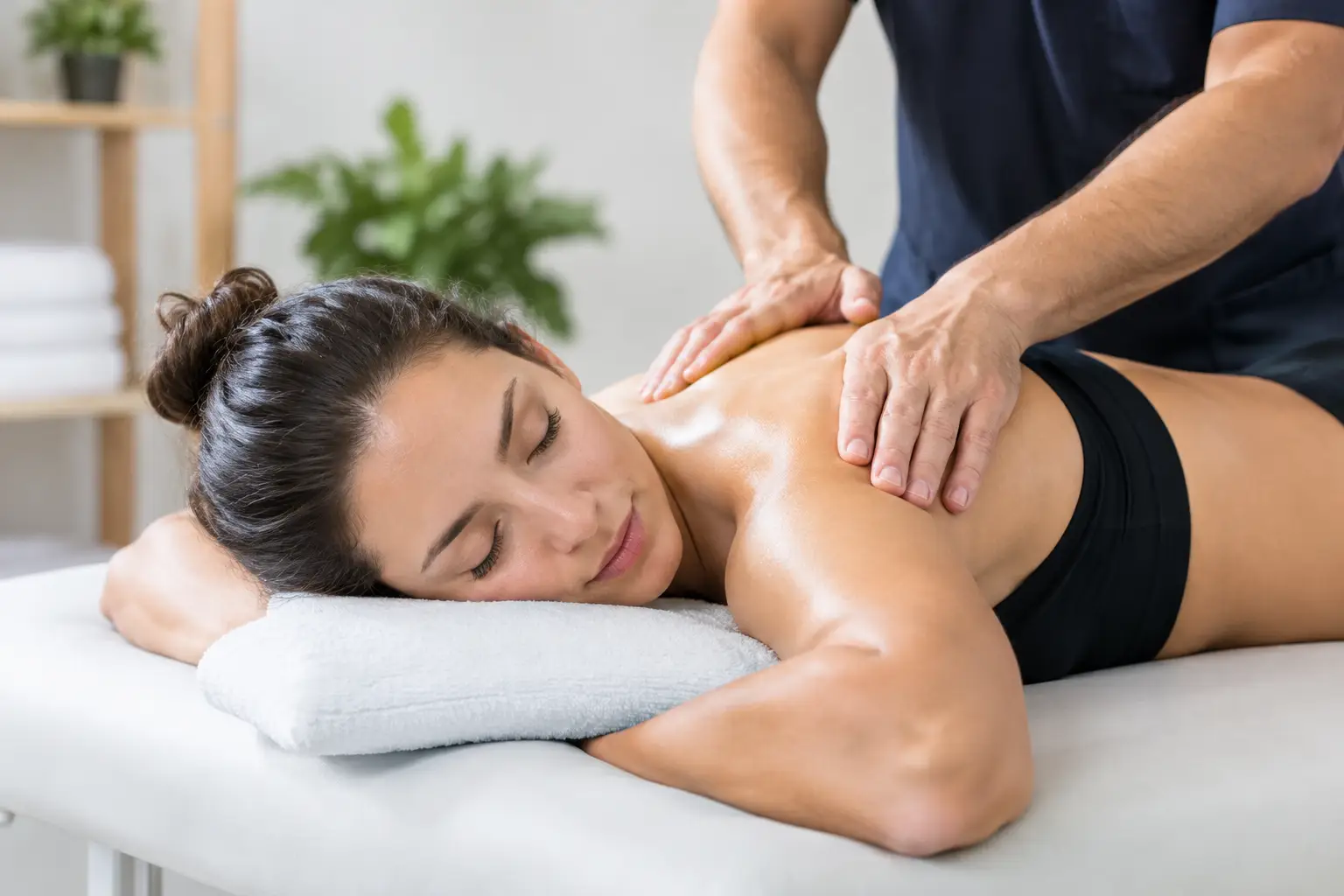
A tender upper trap the day after massage can feel very different from a sharp pain that makes turning your head harder. Both may be described as “soreness,” but they call for different decisions. Knowing how to assess massage soreness helps you respond thoughtfully, communicate clearly with your therapist, and avoid treating discomfort as proof that a session was effective.
Massage therapy should be adapted to your goals, tissue tolerance, health history, and nervous system state. A productive treatment may leave you feeling calm and mobile immediately, mildly tender the next day, or simply more aware of an area that has been guarded for months. There is no single “correct” after-effect. What matters is the pattern: how the sensation feels, where it occurs, when it starts, and whether your function is improving or declining.
What normal post-massage soreness can feel like
Mild soreness after manual therapy is common, especially after a first appointment, a return to treatment after time away, a session focused on a persistently tight area, or a period of unusual training and stress. It can happen after deep tissue work, trigger point therapy, myofascial techniques, or even gentler work when your body has been highly sensitive or protective.
Typical post-massage soreness often resembles the feeling after an unfamiliar workout. The area may feel tender when pressed, mildly achy with movement, or temporarily fatigued. You may notice it later that day or the following morning rather than during the appointment itself. It generally stays local to the treated region and begins to settle within 24 to 72 hours.
A useful sign is that normal soreness does not meaningfully reduce your ability to function. You may feel your glutes on the stairs or your shoulders when reaching overhead, but you can still move safely. In some cases, range of motion may feel briefly unfamiliar before it improves. This can be particularly true when a painful or tense area has been guarded for a long time.
How to assess massage soreness: four useful questions
Rather than rating soreness by intensity alone, look at the full response. Pain is influenced by tissue sensitivity, sleep, stress, recent activity, expectations, and the nervous system’s sense of safety. A number on a 1-to-10 scale can be helpful, but it does not tell the whole story.
1. Is the sensation dull and temporary, or sharp and escalating?
A diffuse ache, tenderness, or stiffness that is stable or gradually easing is usually less concerning than sharp, burning, electric, stabbing, or increasingly intense pain. Pain that spreads far beyond the area treated, travels down an arm or leg, or feels distinctly different from your usual symptoms deserves closer attention.
Do not assume that severe discomfort is an expected part of deep tissue massage. More pressure is not automatically better treatment. Effective care is dose-dependent: the right amount of input can support mobility and symptom relief, while too much can leave an already sensitized system feeling more threatened and reactive.
2. Is your function better, unchanged, or worse?
Function is one of the clearest measures of response. Check the movement or activity that brought you in. Can you rotate your neck more easily, sit at your desk with less tension, squat with less hip restriction, or open your jaw with less discomfort? Improvement does not need to be dramatic, but it should be possible to identify over time.
Temporary tenderness with improved movement can be an acceptable trade-off for some clients. Soreness paired with reduced range of motion, limping, weakness, or more difficulty completing normal tasks is not a response to push through. Pause any aggravating activity and contact your massage therapist or another appropriate health professional for guidance.
3. Did the timing and location make sense?
Soreness that begins within a day and is located in muscles that were assessed and treated is more consistent with a short-term post-treatment response. For example, tenderness around the upper back after focused work for desk-related shoulder tension may be expected.
New pain in an unrelated area, symptoms that appear suddenly several days later, or discomfort following a separate incident may have another cause. Your recent training load, work posture, sleep position, hydration, illness, and daily stress can all affect how your body feels after treatment. Massage is only one variable in a much larger picture.
4. Is the trend moving in the right direction?
The direction matters more than a single moment. Mild soreness that improves each day is usually a reassuring pattern. Symptoms that remain unchanged beyond several days, intensify, or recur more severely after each session are useful clinical information. They may mean the treatment approach, pressure, frequency, or home activity plan needs adjustment.
This is why a collaborative assessment matters. Your feedback helps your therapist tailor the next appointment instead of repeating a standardized routine. At Reset Registered Massage Therapy, treatment pressure and techniques are adjusted in real time based on your response, not on the idea that discomfort equals progress.
When massage soreness is not something to wait out
Most post-massage tenderness resolves without intervention. However, seek prompt medical assessment for symptoms that may indicate something beyond an ordinary treatment response. This includes:
- Severe or rapidly worsening pain, especially after an injury or if it prevents normal movement
- New numbness, tingling, pronounced weakness, loss of coordination, or pain radiating into an arm or leg
- Significant swelling, redness, warmth, fever, or feeling generally unwell
- Chest pain, shortness of breath, dizziness, fainting, or a severe unusual headache
This list is not meant to create alarm. It is a reminder that massage therapy is part of health care, and responsible care includes knowing when symptoms need a different level of evaluation. If you are unsure, it is reasonable to contact your primary care provider, urgent care, or emergency services based on the severity of symptoms.
Recovery after a massage: keep it simple
There is no need for an elaborate detox routine after massage. Your body does not require punishment, extreme stretching, or aggressive foam rolling to “work out” soreness. In fact, piling more intensity onto an irritated area can prolong the response.
Gentle movement is often a better choice. A comfortable walk, easy range-of-motion exercises, and normal daily activity can help you gauge how you are feeling without overloading the area. Use heat or cold only if one feels soothing to you, and protect your sleep that night when possible. Hydration supports general well-being, but it is not a cure for soreness, so drink according to your usual needs rather than forcing excessive water.
If you train, let your symptoms guide the next workout. Mild, improving tenderness may allow for a lighter session or training a different area. Sharp pain, altered mechanics, or symptoms that worsen with warm-up are reasons to scale back. The goal is not to prove toughness. It is to maintain a sustainable training load while your body settles.
What to tell your massage therapist next time
Specific feedback leads to more precise care. Instead of saying only, “I was sore,” describe where you felt it, when it began, how long it lasted, and what it changed in your day. Mention whether you felt more mobile, slept differently, had a headache, changed your workout, or noticed symptoms return during work.
You can also name your pressure preference without apology. “That was intense but manageable” is different from “I tensed up and held my breath.” A trauma-informed, consent-based session makes room for pauses, position changes, quieter techniques, or a shift away from a sensitive area. Your comfort and agency are clinical information, not an interruption to treatment.
For chronic tension, headaches, jaw pain, sports-related tightness, or recurring shoulder and hip symptoms, the best plan may include a series of carefully dosed sessions rather than one aggressive appointment. Sometimes the most effective work feels deeply relaxing. Sometimes it feels focused and therapeutic. The right approach depends on what your body can use that day.
If soreness is mild, local, and improving, give your body a little time and observe the trend. If it is sharp, spreading, function-limiting, or simply does not feel right, listen to that signal. Good massage therapy should leave you better informed about your body, with a plan that respects both your goals and your limits.