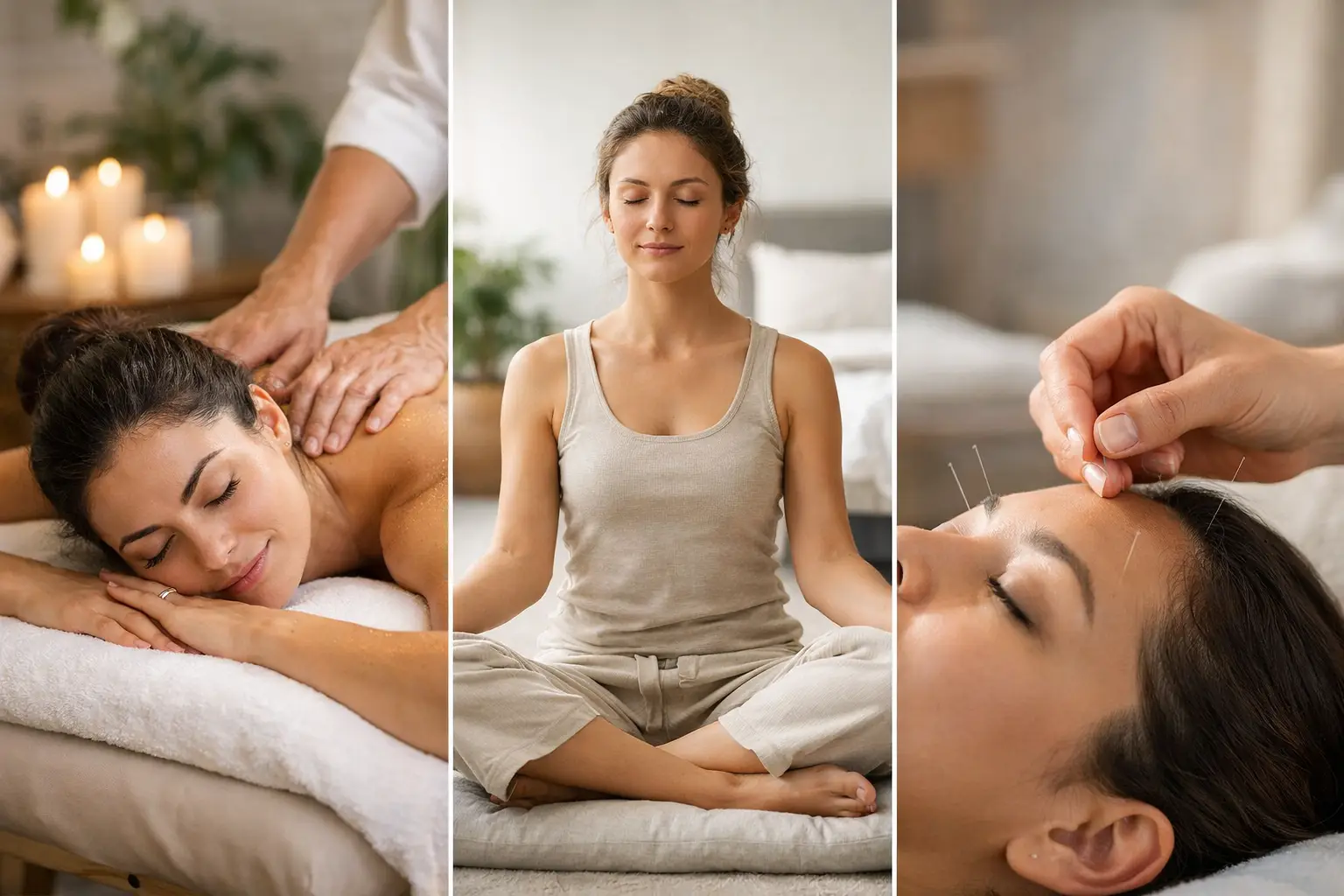
A sleep problem does not always begin in bed. It can begin with a jaw that never quite unclenches after meetings, shoulders that stay lifted through the evening, or hip pain that makes every position feel temporary. The best bodywork for sleep is not necessarily the deepest or longest treatment. It is the approach that helps your body feel sufficiently comfortable, safe, and settled to make rest more available.
For many people, that means combining targeted musculoskeletal care with a deliberate shift toward nervous-system downregulation. Massage therapy can be a useful part of that plan, especially when pain, training load, work posture, stress, or persistent muscle guarding are interfering with sleep. It is not a standalone cure for insomnia, and it should not replace medical care for sleep disorders. But individualized bodywork can reduce some of the physical barriers that keep a person alert, uncomfortable, and changing positions all night.
What Makes Bodywork Helpful for Sleep?
Sleep is influenced by more than whether a muscle is technically “tight.” Pain, discomfort, uncertainty about movement, stress, and a nervous system that remains on high alert can all make it harder to fall asleep or return to sleep after waking.
A well-planned massage therapy session may support sleep by addressing several factors at once. Manual therapy can ease local tenderness and movement restriction, particularly around common problem areas such as the neck, upper back, jaw, hips, and low back. A quieter environment, predictable communication, and treatment within your pressure tolerance can also give the nervous system cues that it does not need to stay on guard.
That distinction matters. A painful treatment may leave someone feeling temporarily “worked on,” but soreness, inflammation, and overstimulation are not ideal preparation for a good night. More pressure is not automatically more therapeutic. The right dose depends on your symptoms, health history, stress level, and how your body responds during the session.
The Best Bodywork for Sleep Depends on What Is Keeping You Awake
For stress, racing thoughts, and full-body tension: relaxation-focused massage
When the primary issue is feeling wired but exhausted, gentler Swedish-style massage is often a strong place to start. Long, rhythmic strokes and comfortable pressure can help create a clear transition out of the workday or training mindset. This is not “just” relaxation. For a person whose body has spent weeks bracing through deadlines, caregiving, travel, or pain, a calm treatment can be clinically relevant nervous-system care.
The key is pacing. A therapist should check in about temperature, pressure, positioning, and conversation preferences rather than assuming relaxation looks the same for everyone. In a trauma-informed setting, you should know what areas are being treated, have meaningful choice about draping and touch, and be able to change direction at any point.
For pain that disrupts sleep: targeted therapeutic massage
If you wake because your shoulder aches when you roll onto it, your low back stiffens after an hour, or your hips feel painful in side-lying, generalized relaxation may not be enough on its own. An assessment-led treatment can identify the movements, tissues, and positions most likely contributing to nighttime discomfort.
Therapeutic massage may include focused work such as myofascial release, trigger point therapy, and orthopedic soft-tissue techniques. The goal is not to force a muscle to release. It is to work within tolerance, improve comfort and movement options, and reduce the protective tension that can accompany persistent pain.
For example, a desk-based professional with neck pain and headaches may benefit from treatment that considers the upper back, shoulders, breathing mechanics, jaw tension, and workstation habits rather than concentrating solely on the sorest spot. An active client whose sleep suffers after long runs or strength sessions may need a different approach: recovery-oriented work, load-management discussion, and treatment that does not add unnecessary soreness before the next training day.
For jaw clenching and tension headaches: jaw, neck, and cranial work
Many people discover their jaw tension only when it begins to affect sleep. They may clench while concentrating, wake with a sore face, experience tension headaches, or notice that neck discomfort makes a supportive pillow feel ineffective.
Bodywork for these patterns should be precise and consent-based. Treatment may include the muscles of the neck, shoulders, scalp, and jaw, with external or intraoral techniques only when appropriate and explicitly agreed upon. Craniosacral therapy or gentle cranial work can also be a useful option for clients who respond better to quiet, low-force treatment.
The evidence for individual modalities varies, and no single technique works for every person. What matters most is thoughtful clinical reasoning, your response to treatment, and a plan that considers dental care, stress management, breathing habits, and medical assessment when symptoms warrant it. Frequent headaches, significant jaw locking, new neurological symptoms, or severe pain deserve prompt evaluation by the appropriate health professional.
For a body that feels guarded: gentle, nervous-system-centered work
Some clients do not want deep pressure because their body already feels overloaded. Others have tried intense massage and found that it increased soreness, anxiety, or fatigue. Gentle work is not a lesser version of treatment. For a sensitized or highly stressed system, it may be the more appropriate clinical choice.
A session might use slower contact, lighter myofascial techniques, supported positioning, and pauses to help the body register comfort. This can be particularly helpful when chronic tension is tied to long-term stress, unpredictable pain, or a sense of being disconnected from physical cues. The therapist’s ability to listen and adapt is part of the treatment, not an optional extra.
Timing Matters More Than Most People Think
There is no universally perfect time for massage before bed. Some people feel sleepy immediately after a session and prefer an evening appointment. Others feel pleasantly alert, thirsty, or more aware of their body for a few hours, and do better with treatment earlier in the day.
If you are trying massage specifically to support sleep, avoid scheduling your first session immediately before an important early morning. Give yourself room to observe your response. A simple post-treatment evening can help: hydrate normally, have a nourishing meal, choose gentle movement if it feels good, and avoid turning the night into a performance test of whether you “sleep perfectly.”
Consistency may matter more than the clock. If your sleep is repeatedly affected by neck pain, training soreness, or stress-related tension, a short series of reassessed treatments may be more useful than one very intense appointment. Your plan should change as your symptoms and goals change.
How to Choose a Practitioner for Sleep-Supportive Bodywork
Look for a practitioner who starts with questions, not a preset routine. They should ask what sleep disruption feels like in your body, when it occurs, which positions aggravate it, and what has or has not helped. They should also explain their recommendations in plain language and welcome feedback during treatment.
A good fit is especially important if you have a history of chronic pain, anxiety around touch, injury, or trauma. You deserve care in a safe, non-judgmental, inclusive space where boundaries are respected without explanation or pressure. At Reset Registered Massage Therapy, treatment is adapted in real time through assessment, consent, and attention to how your nervous system is responding, not just what a textbook protocol says should happen.
It can also help to ask what the after-effects may be. A clinician should be honest that massage can sometimes cause temporary tenderness, especially after deeper or unfamiliar work. If better sleep is the priority, say so. That gives your therapist a clear reason to favor a calmer dosage over an aggressive treatment style.
When Massage Is Not the Whole Answer
Bodywork is one support within a broader sleep picture. If you snore loudly, stop breathing during sleep, wake gasping, have persistent insomnia, experience restless legs, or feel dangerously sleepy during the day, consult a medical provider. These symptoms can point to conditions that require assessment beyond massage therapy.
Likewise, new severe pain, unexplained numbness or weakness, fever, recent significant trauma, or changes in bowel or bladder function need timely medical attention. Massage may be appropriate later, but safety comes first.
For the more common pattern of stress plus discomfort plus poor sleep, a collaborative approach often works best: bodywork to address pain and tension, movement or rehabilitation when needed, a sleep routine that is realistic for your life, and medical guidance when symptoms persist. The most useful treatment is the one that leaves you with more comfort, more choice in your body, and a little less effort required to settle at night.