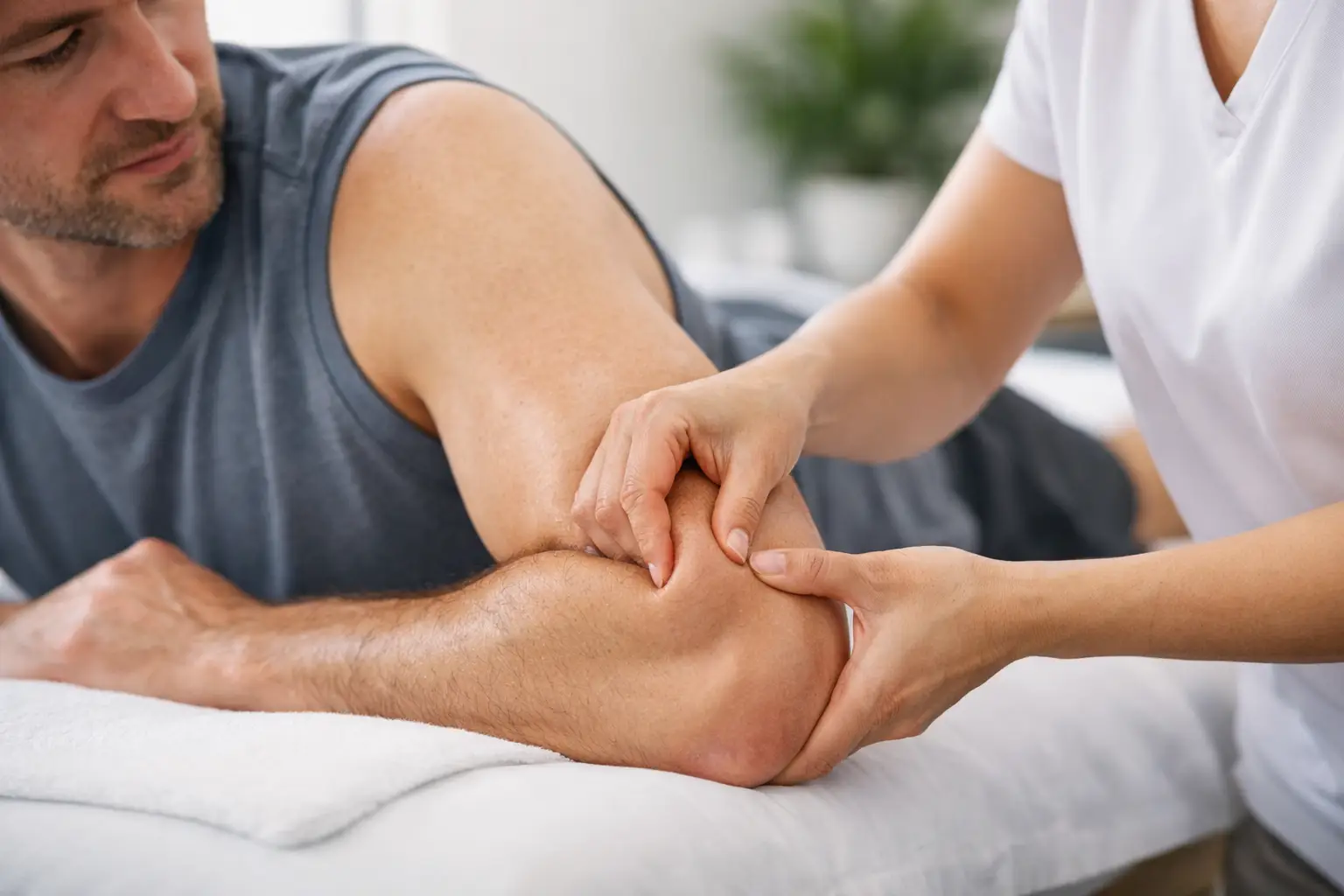
That persistent ache at the outside of the elbow, the back of the heel, or the front of the knee can change far more than a workout. It can make typing, commuting, stairs, sleep, and even the simple decision to be active feel complicated. Massage for tendinopathy can be a useful part of care, but it is not a shortcut or a one-session fix. The most helpful approach respects the tendon’s current tolerance, reduces unnecessary muscle guarding, and supports a gradual return to the activities that matter to you.
Tendinopathy responds best to a plan, not a punishment. At Reset Registered Massage Therapy, treatment is guided by assessment, your symptoms, your training or work demands, and how your nervous system responds on the table and afterward.
What Tendinopathy Actually Means
Tendons are the strong connective tissues that transfer force from muscle to bone. They are designed to handle load, but they can become painful when the demand placed on them exceeds their current capacity. This may happen after a sudden increase in running, climbing, lifting, racquet sports, or repetitive work. It can also develop gradually, without one memorable injury.
The term tendinopathy is often more useful than “tendinitis.” While inflammation can be present in some situations, many persistent tendon problems involve changes in pain sensitivity and tendon capacity rather than a simple inflammatory process. That distinction matters because the goal is usually not to aggressively “break up” tissue. It is to calm symptoms enough to restore confident, progressive loading.
Common presentations include Achilles tendinopathy, patellar tendinopathy below the kneecap, lateral elbow tendinopathy often called tennis elbow, gluteal tendinopathy around the outer hip, and rotator cuff-related tendon pain at the shoulder. A precise diagnosis is not always possible from symptoms alone, but the location, pattern, irritability, and functional limits all help shape appropriate care.
What Massage for Tendinopathy Can and Cannot Do
Massage can help with the parts of a tendon problem that are often overlooked: surrounding muscle tension, protective guarding, reduced movement confidence, and an over-alert nervous system. When pain has lingered, the body may brace around the area. Nearby muscles can feel tight, sore, or difficult to recruit efficiently, even when the tendon itself is the main source of symptoms.
Thoughtful manual therapy may reduce discomfort in the short term and make movement feel more accessible. For example, easing calf and foot tension can make it more comfortable to begin Achilles rehabilitation; addressing forearm muscle tone may improve tolerance for gripping with lateral elbow pain. Myofascial techniques, targeted soft-tissue work, and trigger point therapy can all be useful when selected for the person in front of us, not applied as a routine.
What massage cannot reliably do is repair a painful tendon through pressure alone. Deep, painful friction directly over a sensitive tendon is not automatically better treatment. In some cases, it can aggravate symptoms and leave the area more reactive for days. Tendons generally need appropriately dosed load to build capacity. Massage can support that process, but graded exercise, activity modification, recovery, and time are usually central to long-term improvement.
That is not a lesser role. If a treatment helps you walk with less guarding, tolerate prescribed strengthening, sleep better, or return to a valued activity with more confidence, it has a meaningful place in your care.
Assessment Changes the Treatment
Two people can both have Achilles pain and need very different sessions. One may be a runner who increased mileage quickly and feels stiff for the first few steps each morning. Another may have a highly irritable tendon after a long period of reduced activity, with pain that spikes after standing or commuting. Their tolerance for pressure, movement, and exercise will not be the same.
A clinical massage therapy assessment looks beyond the painful point. We consider when symptoms began, what reliably aggravates or eases them, how the pain behaves over the next 24 hours, and what load your week currently includes. For active clients, this might mean looking at recent changes in training volume, footwear, hills, strength work, or recovery. For desk-based professionals, it may include repetitive hand use, prolonged posture, stress, and the way a demanding workday affects muscle tension and sleep.
Assessment also includes your goals. Some clients want to keep training with modifications. Others want to get through a work presentation without elbow pain or take the stairs without apprehension. A useful plan is built around the outcome you need, rather than a generic promise to eliminate every sensation immediately.
Pressure Should Match Irritability, Not Expectations
Many people arrive believing a tendon issue requires very deep pressure. Sometimes focused work around the involved area feels helpful. Sometimes gentler contact is the more clinically appropriate choice. Pressure is a tool, not proof of effectiveness.
With an irritable tendon, treatment may focus more on adjacent tissues, comfortable range of motion, and nervous-system downregulation. Swedish-style relaxation techniques can be clinically relevant here: when the body shifts out of constant bracing, pain often becomes less dominant and movement can feel less threatening. A neurocentric, trauma-informed approach also recognizes that safety, choice, and clear communication affect how the body receives treatment.
As symptoms settle and tolerance improves, more specific orthopaedic or sports massage techniques may be introduced where appropriate. The response during the appointment matters, but so does the response later that day and the following morning. Feeling pleasantly worked on is different from a delayed flare that limits function. Your feedback helps guide the dose.
Pair Massage With Graded Loading
For most tendinopathies, complete rest for weeks is rarely the ideal answer. Painful activity may need to be reduced or modified, especially early on, but tendons tend to benefit from a gradual return to meaningful load. The exact exercise approach depends on the body part, symptom severity, medical history, and current function.
A massage therapist may help you recognize the difference between manageable discomfort and a pattern that suggests you are doing too much. Mild symptoms during rehabilitation can sometimes be acceptable, particularly if they settle and do not create a substantial next-day increase. Sharp pain, escalating symptoms, altered gait, loss of strength, or a flare that persists may mean the plan needs adjustment.
For a runner with Achilles symptoms, that could mean temporarily reducing speed work or hills while maintaining tolerable flat running and beginning calf-strengthening work. For elbow tendinopathy, it may mean adapting grip-heavy tasks and building forearm strength in a measured way. The details should be individualized, and referral to a physiotherapist, physician, or other qualified provider may be appropriate when exercise prescription or further diagnostic assessment is needed.
When Massage Is Not the First Step
New tendon pain is not always tendinopathy. Seek prompt medical assessment for a sudden pop, marked bruising, a visible change in muscle or tendon shape, inability to bear weight or use the limb normally, fever, unexplained swelling, redness, or warmth. These signs can point to a tear, infection, fracture, blood clot, or another condition that should not be managed as routine overuse pain.
It is also wise to obtain assessment when pain is severe, follows a significant injury, wakes you consistently at night, or continues to worsen despite reducing aggravating activity. Certain health conditions and medications can affect tendon health, so a complete history matters. A safe practitioner will not try to massage through every symptom.
A Collaborative Session Feels Different
A high-quality appointment for tendon-related pain should not feel like something done to you. You should understand the working theory, the intended focus of treatment, and how to communicate if pressure or positioning is uncomfortable. Consent is ongoing, and you can change the plan at any point.
Your session may include targeted work to the muscles influencing the painful area, gentle or more focused manual therapy based on tolerance, and time to settle the broader stress response that can amplify pain. It may also include practical discussion about pacing work, training, or daily movement. The goal is not to create a dramatic post-treatment soreness story. It is to leave you with clearer information about your body and a plan that feels possible.
A tendon does not need to be bullied into recovery. It needs the right amount of challenge, enough recovery, and care that respects both the mechanics of movement and the person experiencing the pain. When massage helps you feel safer, move more comfortably, and participate in a progressive loading plan, it can be a valuable step back toward the activities that make you feel like yourself.