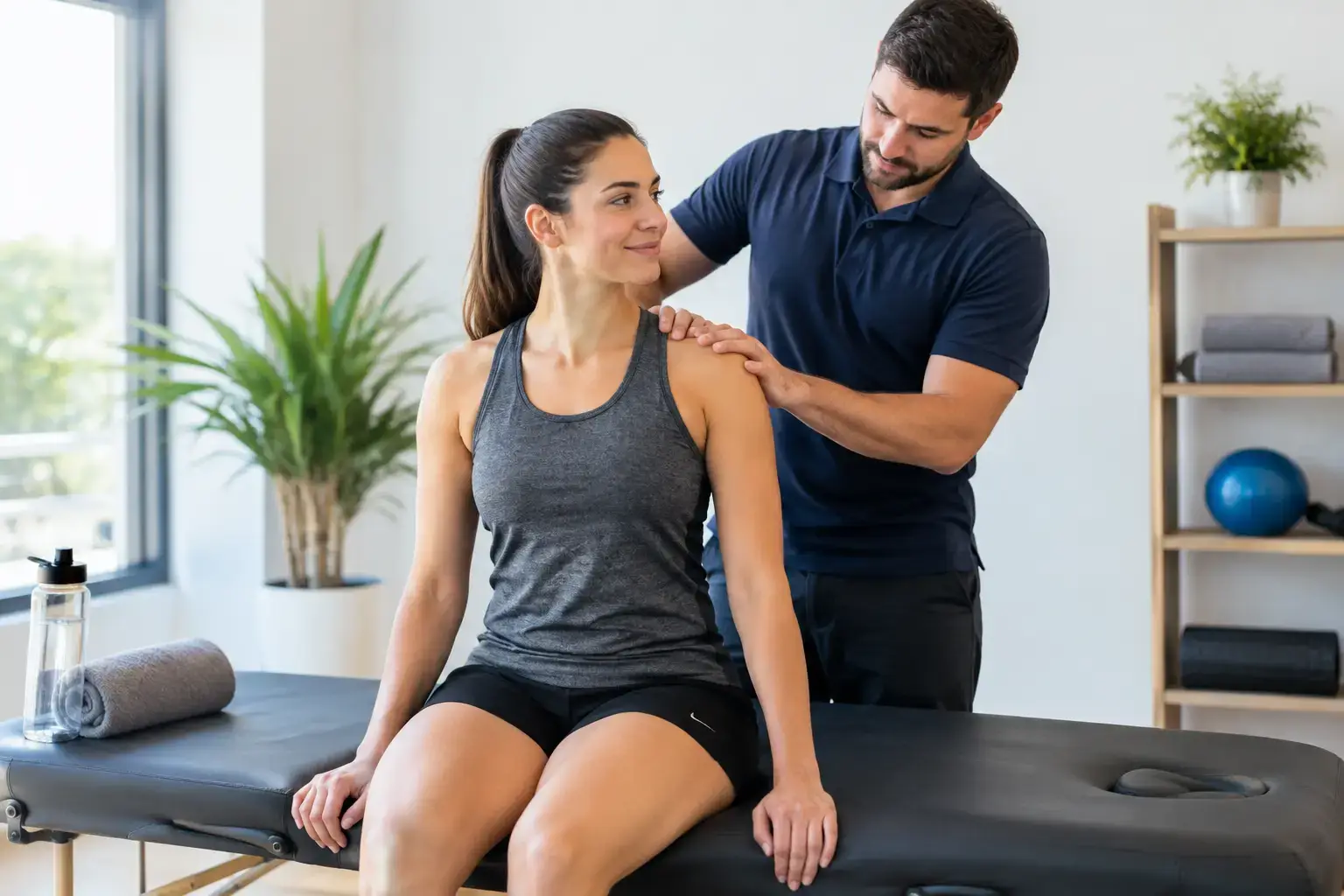
A sports massage should fit your training and your body on that particular day, not ask you to push through discomfort for the sake of a “good” treatment. When you prepare for sports massage with a little intention, your therapist can assess more clearly, adapt treatment to your goals, and help you leave feeling supported rather than depleted.
Whether you are managing a persistent hip restriction, preparing for a race, recovering after a hard training block, or dealing with the familiar neck and shoulder tension of desk work plus workouts, preparation starts with context. Your symptoms, training load, stress level, sleep, and tolerance for pressure all matter.
Prepare for sports massage by choosing the right timing
The best time for treatment depends on what you need from it. A session intended to address muscle tension, movement limitations, or a recurring pain pattern is usually most useful when it is not squeezed between high-intensity events. If you have a race, tournament, or heavy lift planned, avoid scheduling a deeper, corrective-focused session for the day before unless your therapist specifically recommends it.
More focused manual therapy can sometimes leave an area feeling temporarily tender, especially if it has been irritable or guarded for a long time. That does not mean the work was harmful, but it can make a maximal-effort workout feel less comfortable or less predictable. Give yourself a buffer of 24 to 48 hours before a major event when possible.
Pre-event massage is different. It is generally shorter, lighter, and geared toward comfort, circulation, movement confidence, and nervous-system readiness rather than trying to release every tight spot. If you are booking close to competition, say so when you schedule and again at the start of the appointment.
After a strenuous event, massage may help you settle, reduce the sense of heaviness, and reconnect with areas that feel overworked. Still, the first priority after a long race or demanding training session is basic recovery: fluids, food, warmth, sleep, and monitoring for unusual symptoms. Massage is one part of recovery, not a replacement for it.
Arrive with useful information, not a perfect diagnosis
You do not need to know exactly what is wrong before you come in. In fact, self-diagnosing can sometimes narrow the conversation too quickly. A better approach is to describe what you notice: where the sensation is, when it started, what movements aggravate it, what makes it ease, and whether it changes during or after training.
Tell your massage therapist about your sport or activity, recent changes in volume or intensity, upcoming events, and any previous injuries or surgeries. It is also helpful to mention medications, skin sensitivities, pregnancy, blood-clotting concerns, numbness or tingling, unexplained swelling, fever, or a new acute injury. These details guide a safe assessment and may change the treatment plan.
Bring up stress, poor sleep, or a demanding work week too. Your nervous system influences muscle tone, pain sensitivity, and how much pressure feels tolerable. An evidence-based sports massage is not simply about finding the tightest tissue and applying more force. It is about choosing techniques your body can respond to safely.
Wear clothing that supports assessment and comfort
Choose clothing you can move in and feel comfortable changing around. Athletic shorts are useful if the appointment will focus on hips, thighs, calves, or knees. A sports bra, tank top, or underwear you feel secure in can also help with access while preserving your comfort.
You will always be draped appropriately, and you can request adjustments at any point. Some clients prefer to remain partially clothed for certain techniques or because it helps them feel more at ease. That is a valid preference. Treatment can be adapted around consent, modesty, cultural needs, and your personal sense of safety.
Eat, hydrate, and skip the last-minute fixes
Have a normal meal or snack one to two hours beforehand. Arriving overly hungry can make it harder to relax, while a very large meal immediately before treatment may feel uncomfortable when lying face down. If you are coming directly from work or training, even a simple snack and some water can make a difference.
Hydration matters, particularly after exercise, but there is no need to force excessive amounts of water before a massage. Drink according to thirst and your normal activity needs. Your body does not need to be “flushed” after manual therapy. Consistent hydration, nutritious food, and adequate sleep are more useful recovery habits than any quick fix.
Avoid using a massage appointment as a reason to train through a fresh injury. If you felt a pop, have severe pain, cannot bear weight, notice significant bruising or swelling, or have progressive weakness, seek appropriate medical assessment first. Massage may be appropriate later, but the timing and technique need to match the situation.
It is also wise to avoid arriving intoxicated or using alcohol as a way to relax before treatment. Alcohol can affect hydration, sensation, communication, and informed consent. A therapeutic appointment works best when you can clearly notice and report how your body feels.
Be specific about your goals and pressure tolerance
“Deep tissue” is not a treatment goal on its own. Before your session, consider what a useful outcome would look like. Perhaps you want to turn your head more comfortably on bike rides, squat without the familiar pulling in one hip, sleep without jaw tension, or feel less guarded after a week of travel and training.
Share that goal with your therapist. From there, they can use assessment findings to choose the right combination of approaches, which may include myofascial release, trigger point therapy, Swedish-style relaxation techniques, joint and soft-tissue work, or downregulation-focused pacing. The most effective session may include firm work in one area and gentler contact elsewhere.
Pressure should be collaborative, not something you endure. A useful level of intensity often feels productive but manageable, allowing you to breathe normally and stay present. Sharp, burning, electric, pinching, or escalating pain is a reason to speak up immediately. So is the feeling that you are bracing against the table.
At Reset Registered Massage Therapy, treatment is guided by ongoing feedback, not a fixed routine. You can ask what a technique is intended to address, request a different approach, decline work on a body area, or pause at any time. Trauma-informed care recognizes that control and clear communication are part of treatment quality.
Plan for the hour after your appointment
Try not to book yourself into a rushed, physically demanding, or emotionally intense obligation immediately afterward. Most people can return to normal daily activity, and gentle movement is often welcome. A brief walk, an easy mobility routine, or simply giving yourself time to notice how you feel can be enough.
For a more intensive session, consider making that evening lower key. You may feel lighter and more mobile right away, or you may notice temporary tenderness as your body settles. Neither response is a universal measure of success. Pay attention to changes over the next day or two: comfort during movement, ease of sleep, range of motion, and how the area responds to your usual activity.
Your therapist may suggest specific aftercare, such as a modified training day, a simple movement drill, heat or cold based on your presentation, or follow-up timing. Recommendations should be individualized. If pain becomes severe, new neurological symptoms appear, swelling increases, or something feels distinctly wrong, contact an appropriate health professional rather than trying to massage through it.
Know when to reschedule
Rescheduling protects both your recovery and everyone’s safety. Do so if you have a fever, contagious illness, active vomiting or diarrhea, a new unexplained rash, or an injury that has not been evaluated and is causing significant symptoms. If you are unsure, call the clinic and describe what is happening. A thoughtful conversation is better than forcing an appointment that is not appropriate that day.
Sports massage is most valuable when it becomes part of a broader, responsive plan – one that respects training, recovery, stress, and the signals your body is giving you. Come prepared to communicate honestly, and let the session meet you where you are.