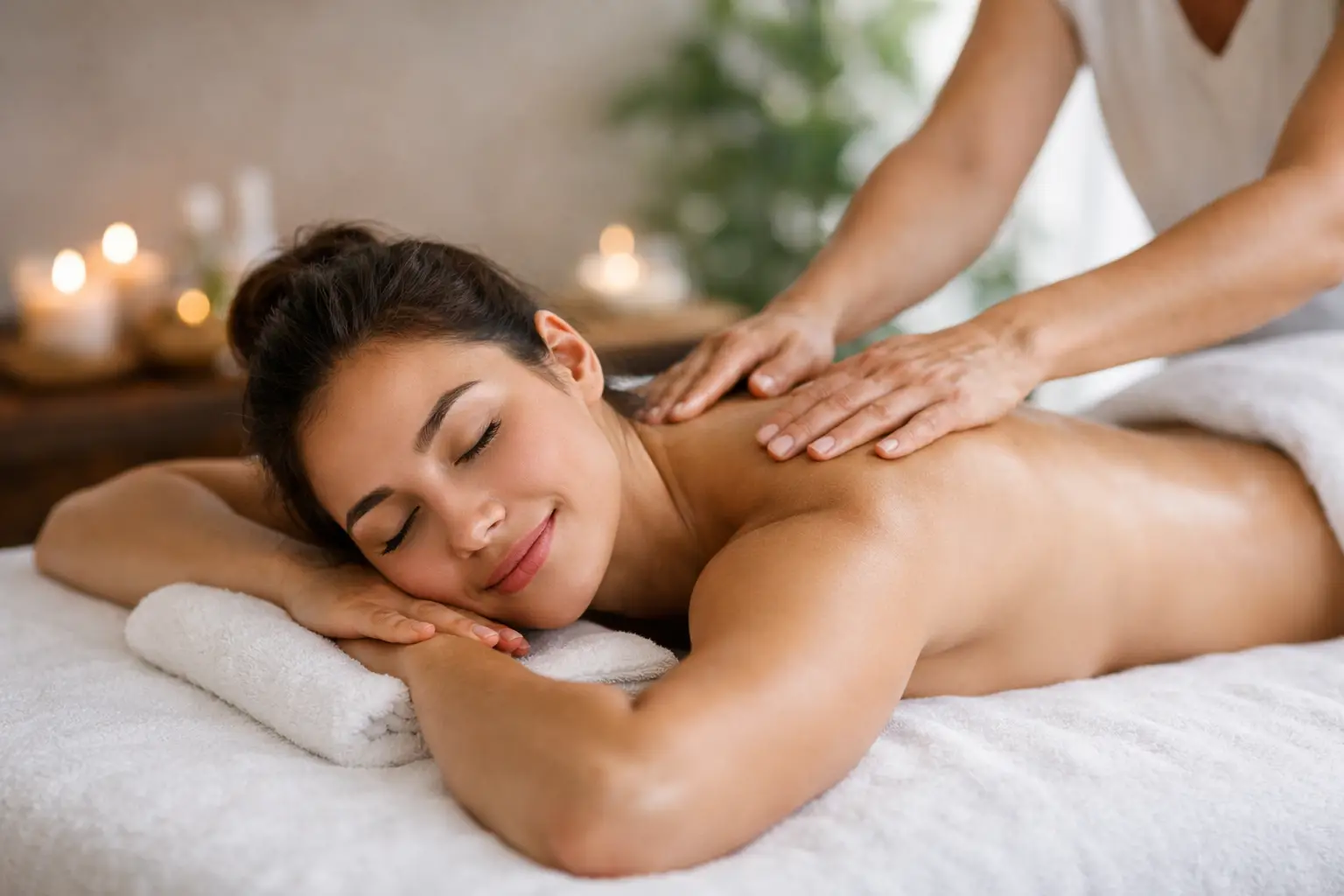
Stress rarely stays in your head. It shows up in clenched jaws, shallow breathing, tight hips, tension headaches, and that feeling that your body never fully powers down. That is why understanding how massage helps stress response matters. For many people, stress is not just an emotional experience – it becomes a physical pattern the nervous system repeats until something interrupts it.
At a clinical level, stress response is the body’s way of preparing for demand. Heart rate rises, muscles brace, breathing changes, and attention narrows. That response is useful when you need it. The problem is when it lingers long after the deadline, workout, commute, injury, or difficult season has passed. Then the body can stay guarded, reactive, and uncomfortable even in relatively safe moments.
Massage therapy can help by giving the body better input. Skilled touch, pressure matched to tolerance, and a quiet, predictable treatment environment can shift the nervous system away from constant bracing. This is not magic, and it is not the same for every person. But in the right hands, massage can reduce the physical load of stress and make it easier for your system to move toward regulation.
How massage helps stress response in the body
The stress response is often discussed as if it is purely hormonal, but musculoskeletal tension plays a major role in how it feels day to day. When your shoulders creep upward, your jaw stays tight, or your low back remains guarded, your brain keeps receiving signals that something may still require protection. Massage changes that conversation.
Manual therapy can decrease perceived muscle tension, improve comfort with movement, and create a clearer sense of where your body is in space. For a client who has been living in a state of “always on,” that matters. When tissues feel less threatened and movement feels easier, the nervous system often has less reason to maintain the same level of alarm.
This is one reason stress-related discomfort rarely exists in isolation. Neck pain can feed headaches. Hip tension can alter gait and irritate the low back. Jaw clenching can contribute to facial pain and poor sleep. A thoughtful massage session looks at those relationships rather than treating stress as a vague, whole-body complaint.
It is not just relaxation – it is nervous system input
People sometimes separate clinical massage from relaxation massage as if one is serious and the other is optional. In practice, that is too simplistic. Relaxation is not fluff when your nervous system has been stuck in overdrive. It can be part of the mechanism that helps treatment work.
A calmer breathing pattern, slower pacing, supportive positioning, and pressure that your body can actually tolerate all send information. They tell the system it may not need to defend so aggressively. That is especially relevant for clients whose pain increases when treatment is too intense. More pressure is not always better. Sometimes it simply asks a stressed nervous system to brace harder.
This is where individualized care matters. One person may respond best to focused deep tissue work around chronic shoulder tension and trigger points. Another may benefit more from gentler Swedish-style techniques, myofascial release, or craniosacral work that reduces overall guarding. The question is not which style is superior. The question is which input your body can use right now.
Why stressed bodies often stay stuck
Stress has a way of becoming a loop. You feel pressure at work, sleep less, wake up stiff, push through a workout or commute, and notice more pain by the end of the day. Then pain itself becomes another stressor. The body braces more, recovery gets worse, and even small tasks feel harder.
This pain-tension-stress cycle is common in people with desk-heavy jobs, athletic training loads, or chronic patterns like TMJ dysfunction and tension headaches. It is also common after an injury, when the body learns to protect an area long after acute healing has begun. Massage does not erase all of those factors, but it can interrupt the cycle by lowering muscle tone, improving comfort, and making the body feel safer to move.
That sense of safety matters more than many people realize. A body that expects pain often limits motion preemptively. A body that starts to trust movement again can distribute load more normally. The result may be less strain in the surrounding areas that were compensating.
How massage helps stress response when pain is part of the picture
Pain and stress amplify each other. If your neck hurts every afternoon or your jaw is sore from clenching overnight, your nervous system is getting repeated signals that demand attention. Over time, that can narrow your capacity. You may become more reactive to pressure, less tolerant of training, and more fatigued by normal daily tasks.
Massage can help reduce that load in several ways. It may ease local tissue sensitivity, improve blood flow to tense areas, and make movement feel less effortful. Just as important, it can create a structured pause where the body is not multitasking, performing, or staying alert for the next demand. For many clients, that pause is not indulgent. It is clinically useful.
There are trade-offs, though. If treatment is too aggressive, too fast, or not matched to your current irritability level, it can leave you feeling more activated rather than less. This is why assessment matters. A therapist needs to know whether your symptoms are driven more by overuse, acute strain, chronic guarding, stress-related clenching, or some combination of all three.
The role of a trauma-informed approach
Not every stressed body responds well to traditional massage pacing or pressure. Some clients need more choice, more explanation, and clearer consent throughout treatment. That is not a preference issue. It is a safety issue.
A trauma-informed, inclusive approach recognizes that the nervous system responds not only to technique but also to context. Predictability, respectful communication, draping choices, pressure adjustments, and ongoing consent can all influence whether treatment feels regulating or overwhelming. When clients know they can speak up, change course, or pause at any point, the body often softens more readily.
This is especially relevant for people who have avoided care because they worried about being judged, dismissed, or pushed past their limits. Good massage therapy is collaborative. The therapist brings assessment and clinical skill. The client brings lived experience of their own body. Better outcomes usually come from both.
What a well-designed session can look like
An effective session for stress response is rarely generic. It may begin with a brief assessment of pain patterns, aggravating factors, sleep, training load, and where the body feels most guarded. From there, treatment can be built around what your system is likely to tolerate and benefit from that day.
For one client, that might mean focused work on the upper traps, suboccipitals, and jaw-related tissues to address headache patterns. For another, it might mean downregulating the whole system first with slower, broader techniques before moving into deeper orthopaedic work around the hips or shoulders. Sometimes the best clinical choice is to do less, more precisely.
That is part of the value of practitioner-led care. A standardized routine may feel pleasant, but it often misses the point. Stress shows up differently in different bodies. Treatment should reflect that.
What massage can and cannot do
Massage can be a strong tool for supporting regulation, easing tension, and helping the body recover from accumulated physical and mental load. It can improve body awareness, reduce the feeling of being braced all the time, and support better movement quality. For some people, it also improves sleep and makes exercise or desk work more tolerable.
What it cannot do is remove every source of stress from your life. If your workload is unsustainable, your training volume is too high, or your sleep is consistently disrupted, massage works best as part of a broader plan. That may include exercise modification, breathing work, hydration, pacing, strength training, or medical follow-up when needed.
Still, the right treatment at the right time can change your trajectory. It can help you feel less stuck in survival mode and more capable of recovering between demands. That shift is often what people are really looking for.
At Reset Registered Massage Therapy, that is why sessions are designed not only to address tissue tension and pain patterns, but also to support nervous system downregulation in a safe, non-judgmental, inclusive setting. When care is evidence based, personalized, and responsive to your tolerance, massage becomes more than a temporary break. It becomes a practical way to help your body remember what less guarded can feel like.
If stress has been living in your shoulders, jaw, hips, or breath for longer than it should, the most useful next step is not to force through it harder – it is to give your body a better chance to settle.
https://nifty-saltopus-f23.notion.site/35e07a0cba80801aae48ef3e03db508d
Take inspiration from the bridesmaid attire and communicate to your daughter
to get some ideas on colours that can work well
on the day.