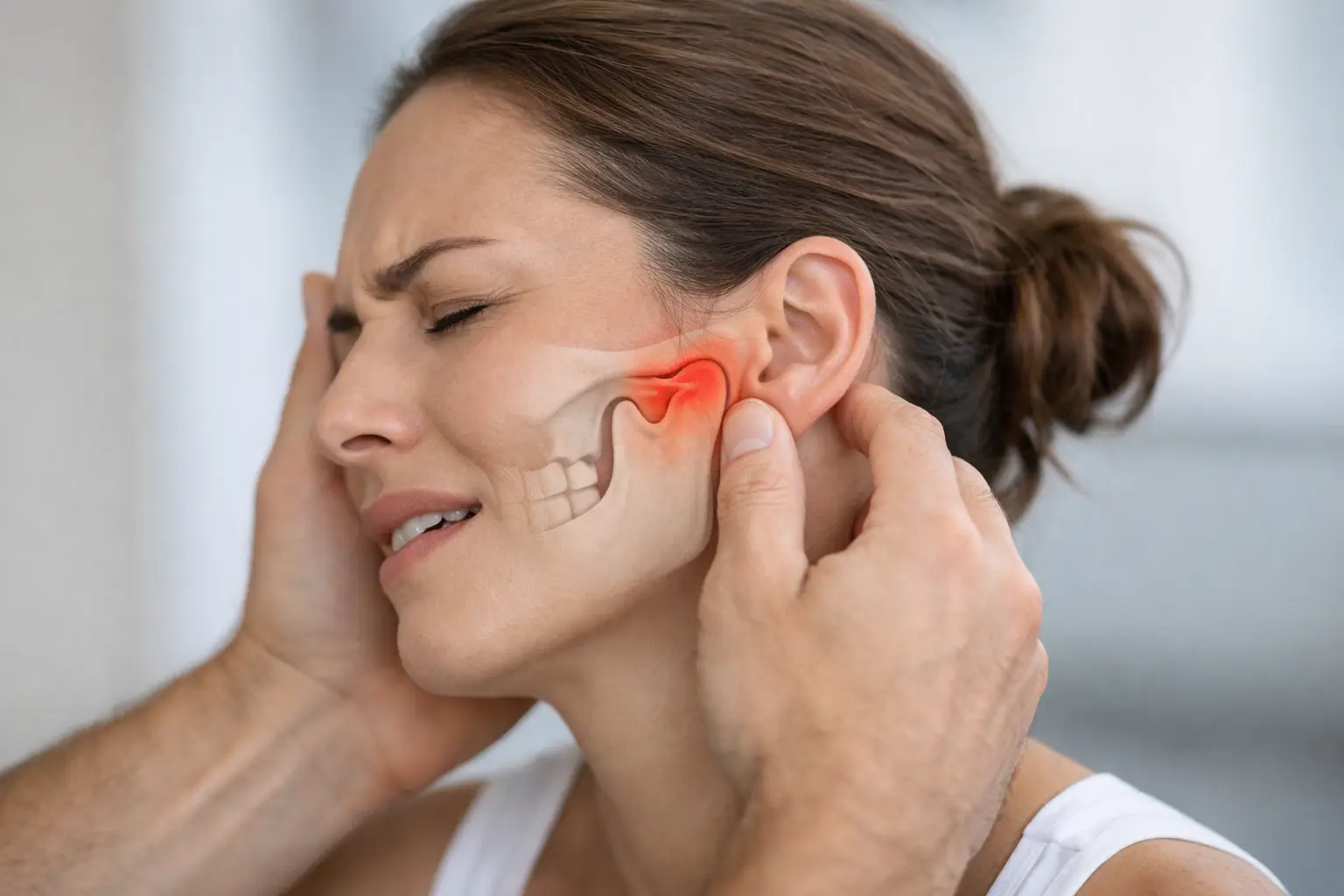
That click when you chew, yawn, or open wide can be unsettling – especially when it starts to come with tightness, headaches, or a feeling that your jaw is working harder than it should. If you have been searching faq can massage help tmj popping, the short answer is yes, sometimes massage can help, but it depends on why the jaw is popping in the first place.
TMJ popping is a symptom, not a diagnosis. For some people, the noise is mostly related to muscle tension, clenching, stress load, or movement patterns around the jaw and neck. In those cases, massage therapy can be a useful part of care. For others, the popping is more about the joint disc, arthritis, hypermobility, bite mechanics, or a history of injury. Massage may still help with surrounding tension and pain, but it may not stop the sound completely.
FAQ: Can massage help TMJ popping if the joint clicks?
Often, yes – but the goal is not always to silence the click.
A popping or clicking TMJ can happen when the disc inside the jaw joint moves out of ideal alignment and then slips back into place during opening or closing. It can also happen when the muscles that control the jaw become overactive or uncoordinated, changing how the joint tracks. Massage therapy cannot manually reposition a joint disc in any lasting or predictable way. What it can do is reduce excessive muscle tension, improve tissue tolerance, and make jaw movement feel easier and less guarded.
That matters because many clients are dealing with more than noise. They are dealing with morning jaw soreness, temple tension, headaches, ear-area discomfort, neck tightness, and facial fatigue after talking, chewing, or working long hours at a computer. If the surrounding muscles are contributing to compression and poor movement quality, targeted treatment can reduce load on the system.
In clinical practice, improvement often looks like less tension, less pain with chewing, better opening range, fewer stress-related flare-ups, and less frequent popping. Sometimes the sound remains, but the jaw feels much better. That is still meaningful progress.
Why TMJ popping happens in the first place
The temporomandibular joint is influenced by more than the jaw itself. The muscles of chewing, the tongue, the neck, and even upper shoulder tension can all affect how the jaw moves. So can stress physiology. People who clench or grind often do not realize how much baseline effort they are carrying until someone assesses the area directly.
Common contributors include overactivity in the masseter and temporalis muscles, trigger points in the jaw and neck, limited mobility through the upper cervical region, postural strain, mouth breathing, and nervous system upregulation that keeps the body braced. There are also structural factors, such as disc displacement, joint inflammation, arthritis, and hypermobility, that may need a broader care plan.
This is why a one-size-fits-all jaw massage is not ideal. Two people can both have a clicking jaw for very different reasons. One may respond quickly to reducing clenching-related tension. Another may need a more cautious, multidisciplinary approach because the joint is unstable or irritated.
How massage may help TMJ popping
Massage works best when it is part of a thoughtful assessment-based approach. The first question is not just where it hurts. It is what tissues seem to be overworking, what movements are limited, and what your jaw does under load.
Treatment may include work to the masseter, temporalis, pterygoid-related tissues when appropriate, and connected areas like the sternocleidomastoid, scalenes, suboccipitals, and upper trapezius. Myofascial release and trigger point therapy can be helpful when the jaw feels dense, guarded, or tender. Gentler downregulating work may be just as important for clients whose symptoms spike with stress, poor sleep, or persistent clenching.
This is where an evidence based, trauma-informed massage approach matters. The jaw can be a sensitive area physically and emotionally. Good care involves consent, clear communication, pressure that matches your tolerance, and a pace that helps your nervous system feel safe rather than more threatened. When the body stops bracing, movement often improves.
Sometimes the biggest change comes from treating outside the jaw. If your neck is stiff, your shoulders are elevated, and your head posture is constantly drifting forward during work, the jaw may be compensating all day. Releasing local tension without addressing those patterns can provide short-term relief, but not always lasting change.
What massage can and cannot do
Massage can reduce muscle tension, decrease pain, improve awareness of clenching habits, and support more comfortable jaw motion. It can also help calm the pain-tension-stress cycle that keeps TMJ symptoms active.
Massage cannot diagnose dental issues, replace a bite guard, repair severe disc damage, or treat every cause of popping on its own. If your jaw locks, catches, deviates strongly, or your mouth opening becomes limited, those are signs that more assessment may be needed. The same is true if you have swelling, recent trauma, numbness, or significant pain inside the joint itself.
That is not a reason to avoid massage. It is a reason to be precise about what massage is for. In some cases, it is the main driver of relief. In others, it is one part of a larger treatment plan that may involve a dentist, physical therapist, physician, or other provider.
When massage is most likely to help
Massage tends to be most useful when TMJ popping is paired with muscular symptoms. If your jaw feels tight, tired, sore, or worse during stressful periods, there is a good chance soft tissue work can help. The same is true if you also get tension headaches, face pain, neck stiffness, or tenderness around the temples and cheeks.
Clients who clench during work, sleep poorly, spend long hours at a laptop, or notice they hold tension through the jaw without realizing it often respond well. So do people whose symptoms fluctuate rather than stay intense all the time. A variable pattern usually suggests there is a modifiable muscular or nervous system component.
Results are often less dramatic when the popping has been present for years with no pain and no functional limitation. In that case, the sound itself may not change much. If there is little tension to reduce and the joint is otherwise calm, massage may not give you a different mechanical outcome.
What a good TMJ-focused session should feel like
A clinically sound session should feel targeted, collaborative, and adaptable. It should not feel like someone pressing aggressively into a small, irritated area and hoping for the best.
A therapist should ask about when the popping happens, whether there is pain, whether you clench or grind, whether the jaw ever locks, and what other symptoms travel with it. They may assess opening range, quality of movement, tenderness in the chewing muscles, and related neck tension. Treatment may be focused and specific rather than full-body and routine.
Pressure is not the point. Precision is. The jaw responds better to skilled, tolerable input than to force. For some clients, deeper orthopaedic work is appropriate. For others, especially if the system is already sensitized, a gentler approach gets better results.
At Reset Registered Massage Therapy, this kind of work is approached as both musculoskeletal treatment and nervous system regulation. That matters for TMJ symptoms because jaw tension is often not just a local tissue problem. It is part of a wider stress and guarding pattern.
When to get medical or dental evaluation first
If your jaw locks open or closed, if you cannot open your mouth normally, if there is a sudden change after trauma, or if pain is sharp and worsening, get evaluated. The same goes for swelling, fever, dental pain, significant bite changes, or symptoms that feel more like infection or nerve involvement than muscle tension.
If you are unsure, a conservative rule works well: a click without pain is usually less urgent than a click with pain, locking, or loss of function. Massage can still be helpful later, but those red flags should not be ignored.
So, can massage help TMJ popping?
Yes, massage can help TMJ popping when muscular tension, clenching, neck strain, and stress-related guarding are part of the picture. It may reduce the frequency or intensity of the pop, and it often improves the symptoms that matter most – pain, stiffness, headaches, and jaw fatigue. But it is not a guaranteed fix for every clicking joint, and honest care should say that clearly.
The most useful question is not how do I stop the sound at all costs. It is what is driving the sound, what else is happening around it, and what kind of treatment helps the whole system move with less effort. That is where good assessment changes everything.
If your jaw has been asking for attention every time you chew or yawn, you do not need a generic routine. You need care that listens closely, treats precisely, and respects both the mechanics of the joint and the state of your nervous system.