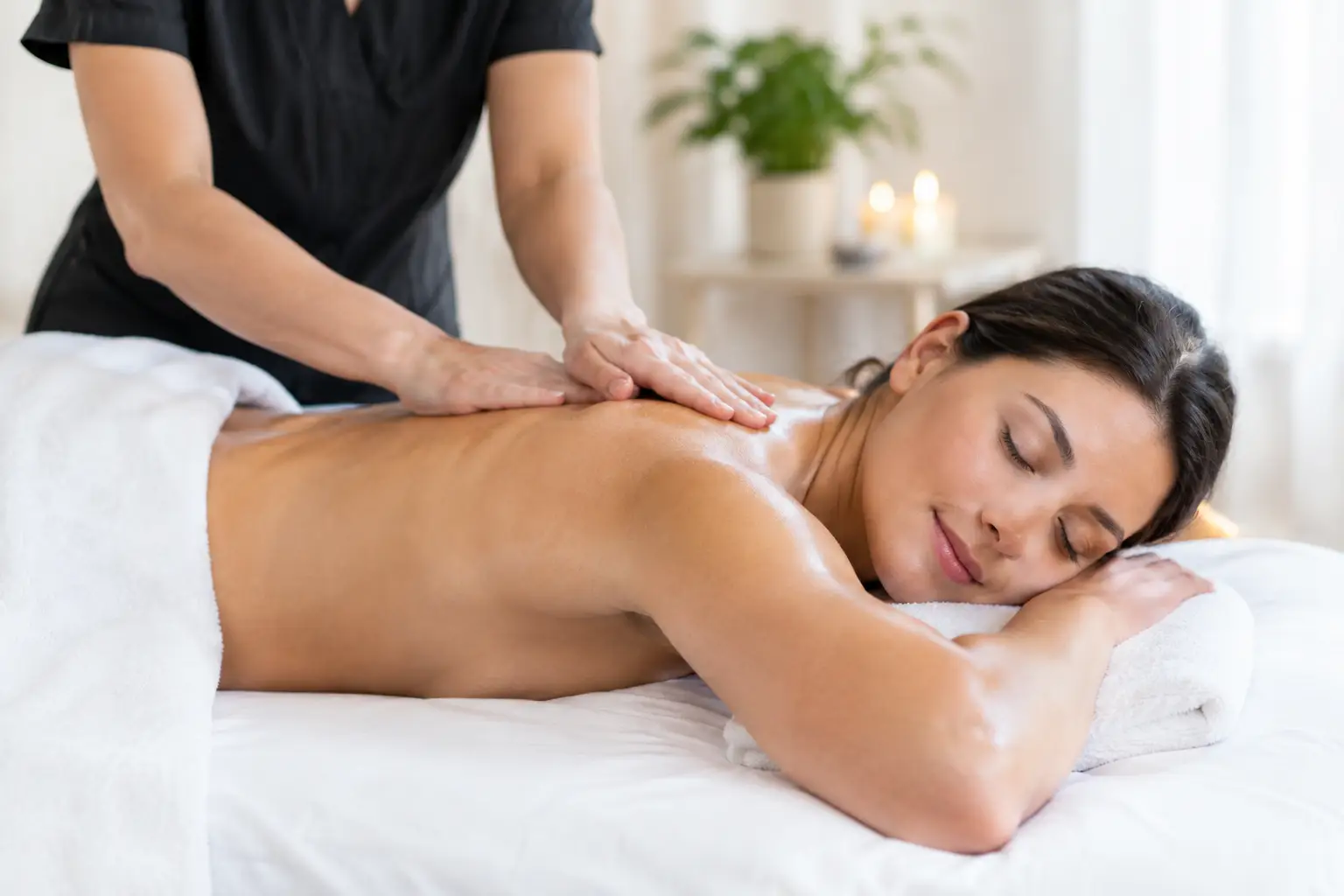
A sore neck after a long week of screens, heavy legs after training, a jaw that will not quite unclench: these are not always problems that need the deepest possible pressure. Swedish massage can be a highly effective choice when your body needs calm, circulation, and carefully paced hands-on care. At its best, it is not a generic spa routine. It is a responsive treatment that meets your current tolerance, goals, and nervous system.
For many people, feeling better starts with feeling safe enough to let the body stop bracing. That matters whether your tension comes from commuting, deadlines, disrupted sleep, exercise, persistent pain, or all of the above.
What is Swedish massage?
Swedish massage is a style of massage built around flowing, rhythmic strokes and manual techniques that encourage relaxation while addressing common areas of muscular tension. A practitioner may use broad gliding strokes, gentle kneading, compressions, and focused work around areas such as the shoulders, back, hips, hands, and calves.
The defining feature is not a fixed sequence. It is the overall quality of the treatment: steady, supportive, and paced to help the body shift out of a high-alert state. Pressure may range from light to moderate, with deeper work used selectively when it is appropriate and well tolerated.
That distinction is worth making. Swedish-style work is sometimes described as “just relaxation,” as though relaxation is separate from health. In practice, a calmer nervous system can change how muscles guard, how readily you move, and how you experience discomfort. When stress and pain reinforce each other, a treatment that reduces threat and tension can be clinically useful.
What Swedish massage may help with
Swedish massage is often a good fit for people dealing with general muscular tightness, stress-related discomfort, postural fatigue, and the cumulative load of work or training. It may help you feel less stiff after prolonged sitting, more settled after a demanding week, or more comfortable returning to ordinary movement.
It can also support recovery between workouts, particularly when you are feeling generally sore or fatigued rather than managing a fresh injury. The goal is not to force tissue to change through intensity. It is to improve comfort, circulation, and body awareness so that recovery habits such as movement, sleep, hydration, and appropriate training adjustments are easier to maintain.
For clients with headaches, jaw tension, shoulder discomfort, or hip tightness, Swedish techniques may be one part of a more targeted plan. A registered massage therapist can combine slower relaxation-focused work with assessment-led treatment, including myofascial release, trigger point therapy, or gentle work around the neck and jaw. The right mix depends on what is contributing to your symptoms, not on a menu category.
Massage is not a substitute for medical assessment when symptoms are severe, unexplained, or worsening. New weakness, numbness, fever, significant swelling, chest pain, a sudden severe headache, or pain after substantial trauma deserve timely medical attention.
Swedish massage versus deep tissue massage
The most common difference is pressure, but pressure alone does not tell the whole story. Deep tissue massage generally uses more targeted, slower techniques to address particular areas of restriction or persistent tension. Swedish massage usually emphasizes broader contact, rhythm, and whole-body downregulation.
Neither approach is automatically better. If you have a specific shoulder limitation, a training-related issue, or an area that is persistently sensitive, focused orthopaedic assessment and more precise manual therapy may be useful. If you are depleted, highly stressed, touch-sensitive, or holding tension throughout your body, beginning with gentler work may produce a better result.
Many clients benefit from a blend. A session might include focused treatment around the upper back and hips, then transition into slower Swedish-style work that gives the nervous system time to absorb the input. This is often more productive than treating every tight area with maximum force.
Pain is not proof that a treatment is working. Excessive pressure can lead to guarding, soreness that interferes with daily life, or a sense that you must endure the session rather than participate in it. Productive massage should stay within your tolerance and should be adjusted when your body gives useful feedback.
What a personalized session should feel like
A thoughtful appointment begins before the first massage stroke. Your therapist should ask about your goals, health history, current symptoms, training demands, previous injuries, and preferences around pressure and positioning. This conversation is part of the assessment, not an obstacle to getting started.
During treatment, communication remains active. You can ask for lighter or firmer pressure, more time in a specific area, fewer check-ins, or a change in positioning. You can also decline work on any area of your body. Clear consent is fundamental to quality care, especially for clients who have had uncomfortable health-care experiences or who simply want a more collaborative approach.
At Reset Registered Massage Therapy, treatment is designed around both musculoskeletal needs and nervous-system safety. That may mean using bolsters to make side-lying more comfortable, keeping the session focused on a few relevant regions, or building in quieter, slower work when your system is overloaded. A trauma-informed approach does not make assumptions about your experience. It gives you choice, explains what is happening, and respects boundaries without judgment.
You may feel deeply relaxed during Swedish massage, but sleep is not the only sign of benefit. Some people notice easier breathing, less jaw clenching, more comfortable movement, or a clearer sense of where they are holding tension. Others simply leave feeling more at home in their body. Those outcomes can matter, particularly when discomfort has made daily life feel narrow or effortful.
How to prepare and what to do afterward
There is no complicated preparation required. Arrive in clothing that feels easy to change out of, share relevant health information, and let your therapist know if you are feeling anxious, sore, run down, or sensitive to pressure. You do not need to “tough it out” because you booked massage. Your current capacity is useful clinical information.
Afterward, give yourself a little room to notice the result. Gentle movement, a normal meal, and adequate fluids are usually enough. You do not need to dramatically increase water intake to “flush toxins,” a common claim that is not supported by good evidence. Some mild tenderness can happen after more focused work, but a Swedish-style session should not routinely leave you significantly bruised or unable to function comfortably the next day.
If you are scheduling massage around an athletic event, a major work presentation, or travel, consider your timing. Calming treatment may be ideal before a stressful period, while more focused work can occasionally leave an area temporarily tender. Your therapist can help you choose an approach that fits what you need to do afterward.
When Swedish massage needs modification
Massage therapy is adaptable, but it is not appropriate in every circumstance. Active infection, fever, contagious skin conditions, an acute blood clot concern, or a recent serious injury may mean postponing treatment or seeking medical guidance first. Pregnancy, cancer treatment, osteoporosis, blood-thinning medication, recent surgery, and certain neurological or cardiovascular conditions do not necessarily rule out massage, but they do call for an informed, modified plan.
Be specific about changes in your health, even if they seem unrelated to your sore muscles. A careful therapist will use that information to choose safe techniques, avoid contraindicated areas, or recommend that you speak with another health professional when needed.
The most useful question is not whether Swedish massage is “light” or “deep.” It is whether the treatment is being chosen intentionally for your body, your goals, and your capacity that day. When care feels safe, responsive, and appropriately paced, relaxation is not an extra. It can be the condition that helps your body begin to let go.